Table of Contents
If you’re shopping for a mattress in 2026, chances are you’ve noticed latex reclaiming its throne as the premium sleep surface of choice. After years of memory foam dominance, discerning sleepers are gravitating back toward latex’s unique blend of responsive support, natural breathability, and remarkable durability. But here’s the challenge: not all latex mattresses are created equal, and the market has evolved dramatically with new manufacturing techniques, sustainability standards, and customization options that didn’t exist even three years ago.
Navigating this landscape requires more than just reading reviews—it demands a strategic approach to understanding what makes a latex mattress truly exceptional for your specific needs. Whether you’re a side sleeper with shoulder pain, a hot sleeper in a humid climate, or an eco-conscious consumer tracking carbon footprints, these ten expert tips will transform you from a confused browser into an informed buyer ready to invest in a decade of restorative sleep.
Top 10 Latex Mattresses
Detailed Product Reviews
1. Pure Green Organic Latex Mattress - Medium Firmness - Queen
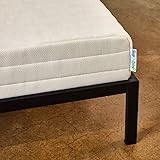
Overview: The Pure Green Organic Latex Mattress delivers an 8-inch medium-firm sleep surface crafted entirely from certified organic materials. Handmade in Chicago, this queen-size mattress features GOLS-certified organic latex foam encased in a quilted cover of organic cotton and wool. It arrives roll-compressed in paper packaging—eschewing plastic entirely—and springs to life immediately upon unwrapping.
What Makes It Stand Out: Triple certification sets this mattress apart: GOLS for the latex, GOTS for the textiles, and Fair For Life for ethical trade practices. The paper-based packaging demonstrates genuine environmental commitment beyond marketing claims. Being designed, sewn, and assembled entirely in the company’s Chicago factory ensures quality control and supports domestic manufacturing.
Value for Money: Positioned in the mid-to-high range for organic mattresses, the price reflects legitimate certifications and USA production. While more expensive than conventional foam options, it costs significantly less than many luxury organic brands offering similar credentials. You’re paying for verified sustainability, not just greenwashing.
Strengths and Weaknesses: Strengths include authentic organic certifications, excellent motion isolation for couples, temperature-neutral latex, and durable construction. The medium firmness suits most sleep positions. Weaknesses include no mentioned sleep trial, limited availability outside direct purchase, and a 30-day break-in period for the latex to fully soften. Side sleepers under 130 pounds may find it too firm.
Bottom Line: Ideal for environmentally conscious shoppers seeking verified organic materials and American craftsmanship. The medium firmness offers versatile comfort, though the lack of a trial period requires confidence in your choice.
2. Awara Premier Luxury Hybrid King Mattress 12 Inch - Certified Organic Natural Latex - Sustainable New Zealand Wool - Fiberglass-Free - 365-Night Trial
 - Certified Organic Natural Latex - Sustainable New Zealand Wool - Fiberglass-Free - 365-Night Trial](https://m.media-amazon.com/images/I/41b2Z8B+-+L._SL160_.jpg)
Overview: This 12-inch luxury hybrid king combines GOLS-certified organic latex with 8 inches of individually wrapped steel coils, wrapped in a New Zealand wool and bamboo rayon cover. The Awara Premier positions itself as a premium sleep solution with an industry-leading 365-night trial and lifetime warranty, plus an environmental initiative that plants ten trees per purchase.
What Makes It Stand Out: The year-long trial period and lifetime warranty eliminate purchase risk entirely. The use of sustainable New Zealand wool and fiberglass-free construction addresses common health concerns. The hybrid design merges latex’s responsiveness with coil support, while the tree-planting partnership adds tangible social impact to your purchase.
Value for Money: Though priced at the premium tier, the value proposition is compelling. Comparable luxury hybrids cost similarly but rarely offer such extensive trials or lifetime protection. When factoring in the warranty length, eco-credentials, and dual comfort layers, the investment becomes justifiable for serious buyers.
Strengths and Weaknesses: Strengths include exceptional trial/warranty terms, superior edge support from the coil system, excellent temperature regulation, and reduced motion transfer. The fiberglass-free design is a major health plus. Weaknesses include substantial weight requiring two people to move, potential excessive height for some bed frames, and a price point that may exceed budget-conscious shoppers.
Bottom Line: Perfect for buyers prioritizing peace of mind and premium materials. The risk-free trial makes this an easy recommendation for those uncertain about investing in a luxury organic hybrid.
3. Queen Mattress in a Box 12 Inch, Back Pain Relieving, Latex Hybrid Mattress Queen Size with Pocket Coils, Motion Isolation & Dynamic Pressure Relief & Luxurious Comfort, Medium Firm Responsive Support
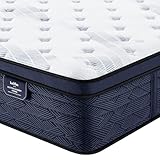
Overview: This 12-inch queen latex hybrid targets back pain sufferers with a strategic combination of high-elasticity latex, pressure-relieving memory foam, and individually pocketed coils. Engineered for dynamic pressure relief and zoned spinal support, it arrives compressed in a box and expands to deliver medium-firm responsiveness for multiple sleep positions.
What Makes It Stand Out: The zoned support system dynamically adapts to body contours, specifically targeting lumbar regions with reinforced pocket springs. Enhanced edge support prevents sagging and maximizes usable sleep surface. The open-cell latex structure combined with airflow channels between coils creates effective temperature regulation at a competitive price point.
Value for Money: Positioned as a budget-friendly alternative to premium hybrids, this mattress delivers sophisticated features—zoned support, motion isolation, and reinforced edges—typically found in higher-priced models. It offers significant pain-relief potential without the luxury brand markup, making it accessible for value-seeking shoppers.
Strengths and Weaknesses: Strengths include targeted back pain relief, excellent motion isolation for couples, durable edge reinforcement, and effective cooling. The hybrid design suits various sleepers. Weaknesses include lack of organic certifications, unknown brand reputation, and likely shorter warranty period. The memory foam layer may retain more heat than all-latex options.
Bottom Line: An excellent choice for back pain sufferers seeking hybrid benefits on a budget. While not organic, its engineered support system and cooling features deliver performance that rivals costlier competitors.
4. Pure Green Organic Latex Mattress - Firm - King
Overview: The firm version of Pure Green’s organic line, this king mattress delivers robust support through 8 inches of GOLS-certified latex. Maintaining the brand’s commitment to sustainability, it features the same organic cotton and wool quilted cover, triple certification, and Chicago-based manufacturing as its medium-firm counterpart, but with a supportive surface ideal for back and stomach sleepers.
What Makes It Stand Out: The firm yet responsive latex core provides exceptional support while still alleviating pressure points—avoiding the “brick-like” feel of traditional firm mattresses. The triple organic and Fair Trade certifications remain rare at this price point. The paper-based packaging and domestic production reinforce authentic eco-commitment.
Value for Money: For firm mattress enthusiasts wanting verified organic materials, this offers compelling value. It undercuts many certified organic competitors while delivering king-size dimensions and durable latex construction. The investment pays dividends in longevity, as latex outlasts conventional foams by years.
Strengths and Weaknesses: Strengths include outstanding spinal support, verified organic credentials, excellent durability, and temperature neutrality. The firmness suits heavier individuals and back/stomach sleepers perfectly. Weaknesses include being too rigid for most side sleepers, higher cost than non-organic firm mattresses, and absence of a sleep trial. The 8-inch profile may feel thin to those accustomed to thicker beds.
Bottom Line: Best suited for dedicated firm mattress lovers who prioritize organic materials and American manufacturing. Side sleepers and those wanting plush comfort should look elsewhere.
5. Pure Green Natural Latex Mattress Topper - Soft - 2 Inch - Queen Size (GOLS Certified Organic)

Overview: This 2-inch soft latex topper offers an affordable entry into organic sleep comfort. Crafted from GOLS-certified natural latex harvested from rubber trees, it instantly softens firm mattresses while maintaining excellent temperature regulation. The queen-size topper arrives ready to use without any assembly, providing a simple upgrade path for uncomfortable beds.
What Makes It Stand Out: The topper transforms existing mattresses rather than replacing them, extending product life and reducing landfill waste. Its soft firmness level specifically targets those needing surface plushness without sacrificing underlying support. The GOLS certification ensures genuine organic content, while the Fair Trade certification supports ethical harvesting practices.
Value for Money: At a fraction of full mattress cost, this topper delivers certified organic latex benefits affordably. It’s ideal for testing latex comfort before committing to a full mattress, or for temporarily improving a guest bed. Compared to synthetic toppers, the premium is justified by durability and chemical-free composition.
Strengths and Weaknesses: Strengths include instant comfort transformation, excellent cooling properties, authentic organic certification, and easy installation. The natural resilience outperforms memory foam for responsiveness. Weaknesses include inability to fix sagging or unsupportive base mattresses, potential initial latex odor, and being too soft for those wanting firm support. The 2-inch thickness may not provide enough cushioning for very firm beds.
Bottom Line: A smart, sustainable solution for softening an overly firm mattress. Perfect for eco-conscious shoppers wanting to improve sleep quality without the expense and waste of a full replacement.
6. Novilla Queen Size Mattress, 12 Inch Gel Memory Foam Mattress for Cool Night & Pressure Relief, Medium Plush Feel with Motion Isolating, Bliss

Overview: The Novilla 12-inch gel memory foam mattress delivers a medium-plush sleep experience designed for hot sleepers and couples. This queen-size bed-in-a-box features a four-layer foam system engineered to balance cooling, pressure relief, and motion isolation. The mattress arrives compressed and requires 24-72 hours to fully expand to its intended shape.
What Makes It Stand Out: The gel-infused memory foam top layer actively dissipates heat, while the egg-crate foam design increases airflow throughout the mattress. Novilla claims their cover enhances breathability by 30% compared to standard alternatives. The four-layer construction combines gel memory foam, comfort foam, and two high-density base layers for durability and spinal alignment. CertiPUR-US certification ensures the foam is free from harmful chemicals and heavy metals.
Value for Money: Priced competitively within the online mattress market, this Novilla model offers premium features at a mid-range price point. The 12-inch profile provides substantial comfort layers typically found in more expensive mattresses, while the bed-in-a-box convenience eliminates delivery fees. Compared to traditional retail mattresses with similar specifications, you’re saving 30-50% without sacrificing key performance metrics.
Strengths and Weaknesses: Strengths include excellent temperature regulation, superior motion isolation for undisturbed sleep, and certified safe materials. The medium-plush feel accommodates most sleeping positions, particularly side sleepers. Weaknesses involve the mandatory 72-hour off-gassing period and potential initial odor. Some stomach sleepers may find the plush feel too soft for proper lumbar support, and cold room temperatures can significantly delay expansion.
Bottom Line: This mattress excels for couples and hot sleepers seeking pressure relief on a budget. While the expansion wait time requires patience, the cooling performance and motion isolation justify the investment. Recommended for guest rooms and primary bedrooms alike, especially if you prioritize temperature neutrality over firm support.
7. Zinus 6 Inch Twin Green Tea Memory Foam Mattress [New Version], Fiberglass Free, Medium Firm Feel, Zoned Pressure Relief, Certified Safe Foams & Fabric, Mattress in A Box

Overview: Zinus delivers an eco-conscious twin mattress that combines affordability with innovative freshness technology. This six-inch memory foam bed features green tea and charcoal infusions to maintain odor control, while the new version ships in a reduced-size box for environmental efficiency. It’s designed for lighter individuals, children, or guest room applications.
What Makes It Stand Out: The patented zoned pressure relief technology targets specific body areas to reduce aches and pains, a rare feature in budget mattresses. The all-natural green tea and purified charcoal infusions provide continuous freshness without chemical treatments. Being fiberglass-free addresses a major safety concern found in many foam mattresses, while OEKO-TEX certification ensures the cover meets stringent safety standards.
Value for Money: This is among the most affordable certified-safe mattresses available. The ten-year warranty dramatically exceeds industry standards for this price tier, offering exceptional long-term protection. For children’s rooms, dormitories, or occasional guest use, it provides professional-grade features at a fraction of premium mattress costs, delivering outstanding utility per dollar spent.
Strengths and Weaknesses: Strengths include the innovative freshness system, comprehensive safety certifications, zoned support technology, and impressive warranty. The medium-firm feel suits back and stomach sleepers well. Weaknesses include the six-inch profile, which may lack adequate cushioning for side sleepers or heavier individuals. The 250-pound weight limit restricts usability, and the thin profile might not provide sufficient edge support for adult nightly use.
Bottom Line: Ideal for children, teens, or lightweight adults seeking a safe, fresh-smelling sleep surface on a tight budget. The fiberglass-free design and extensive warranty make it a smart choice for safety-conscious parents. However, heavier users or those wanting plush comfort should consider thicker alternatives.
8. COTTON SLEEP 11" 100% GOTS Organic Cotton, Wool & GOLS Latex Mattress | Pocketed Coils | Bed in a Box | Fiberglass & Toxin Free | Made in USA | If It’s Not 100%, It’s a NO | Queen

Overview: COTTON SLEEP offers a genuinely organic hybrid mattress combining natural latex, wool, cotton, and pocketed coils. This eleven-inch queen mattress delivers a clean, material-forward design without synthetic polyfoam or fiberglass. Handcrafted in the USA, it targets eco-conscious consumers prioritizing chemical-free sleep environments and sustainable manufacturing.
What Makes It Stand Out: The GOTS and GOLS certifications verify true organic content throughout, not just the cover. New Zealand wool provides natural temperature regulation and fire resistance, eliminating the need for chemical flame retardants. Individually pocketed coils deliver targeted support while enhancing airflow, creating a breathable sleep surface that traditional foam mattresses cannot match.
Value for Money: While priced at a premium compared to conventional mattresses, the cost reflects legitimate organic materials and domestic manufacturing. Comparable organic hybrid mattresses often cost 30-40% more. The durable construction extends lifespan beyond typical foam beds, amortizing the higher initial investment over more years of use. For chemical-sensitive individuals, the health benefits justify the price premium.
Strengths and Weaknesses: Strengths include authentic organic certifications, superior breathability, balanced support for all sleeping positions, and no off-gassing odors. The wool layer excels at moisture management. Weaknesses include significant weight, making setup challenging without assistance. The firm feel may disappoint those preferring plush memory foam hug. The premium price point puts it out of reach for budget shoppers.
Bottom Line: A top-tier choice for environmentally conscious buyers and those with chemical sensitivities. The authentic organic construction and domestic manufacturing justify the investment. Recommended for health-focused consumers willing to pay for verified purity and sustainable production over budget convenience.
9. Latex for Less 2-Sided Natural Latex Mattress, King, Medium, Handcrafted in USA, GOTS Certified Organic Cotton, Natural Wool, 9 inches

Overview: Latex for Less revolutionizes mattress versatility with a flippable king-size design offering dual firmness options. This nine-inch natural latex mattress features a medium side and firm side, allowing users to customize their sleep experience. Handcrafted in the USA with certified organic materials, it delivers premium quality with built-in adaptability for changing preferences.
What Makes It Stand Out: The innovative two-in-one design essentially provides two mattresses for the price of one, extending product lifespan by allowing users to rotate between firmness levels. Eight inches of natural latex core delivers responsive support unmatched by synthetic foams. The GOTS-certified organic cotton cover and natural wool layer provide temperature regulation without chemical treatments, while domestic artisan craftsmanship ensures exceptional quality control.
Value for Money: Though priced in the premium category, the dual-firmness feature doubles the functional value. Traditional mattresses lock you into one feel; this adapts to life changes, injuries, or preference shifts. The durable natural latex construction outlasts memory foam by years, making the higher upfront cost more economical over a decade of use. It’s an investment in sleep flexibility.
Strengths and Weaknesses: Strengths include unparalleled versatility, durable natural latex, certified organic materials, and handcrafted American quality. The flippable design extends mattress life and suits undecided buyers. Weaknesses include the substantial weight that makes flipping difficult, the nine-inch profile which may feel thin to some users, and premium pricing that exceeds budget mattress ranges. Edge support may be less robust than coil hybrids.
Bottom Line: Perfect for couples with differing firmness preferences or individuals uncertain about their ideal sleep surface. The dual-sided design and natural materials justify the premium price. Highly recommended for those prioritizing versatility and organic construction over budget constraints. A smart long-term investment in adaptable comfort.
10. 100% Natural Latex Mattress, 1/2/3/4inch Latex Foam Bed Pad 7 Zone Green Natural Organic Latex Mattress Topper Back & Joint Support No Deformation,King,76"×80"×4"

Overview: This product is a four-inch natural latex mattress topper, not a complete mattress. Crafted from 100% natural latex sourced from rubber trees, it features a seven-zone design for targeted support. The king-size topper enhances existing mattresses with pressure relief and cooling properties, making it an economical upgrade path for improving sleep quality without replacing your entire bed.
What Makes It Stand Out: The seven-zone construction provides differentiated support for shoulders, hips, and lumbar regions—precision engineering rarely found in toppers. Pure natural latex composition without synthetic fillers ensures authentic responsiveness and durability. The honeycomb pore structure creates superior airflow compared to memory foam, delivering genuine temperature neutrality. Available in multiple thicknesses, the four-inch version offers substantial transformation capability.
Value for Money: At a fraction of full latex mattress costs, this topper delivers core latex benefits—pressure relief, cooling, and motion isolation—to any existing bed. It can rehabilitate an aging mattress or adjust firmness, effectively saving hundreds versus full replacement. The durability of natural latex ensures years of performance, making it one of the highest-value sleep improvements available.
Strengths and Weaknesses: Strengths include authentic natural latex construction, targeted zoning, excellent pressure point relief, and true cooling performance. It isolates motion effectively and maintains shape without sagging. Weaknesses include the need for an existing mattress, potential latex allergies, and a firm feel that may not suit those wanting plush softness. The initial rubber odor requires airing out, and it’s heavy to maneuver.
Bottom Line: An outstanding solution for revitalizing a firm or aging mattress with natural latex benefits. Ideal for those wanting pressure relief and cooling without the expense of a full latex bed. Highly recommended for back pain sufferers and hot sleepers seeking an eco-friendly upgrade path. Ensure your base mattress is in good condition before investing.
Understand Latex Types: Dunlop vs. Talalay
The foundation of your latex mattress journey begins with understanding the two primary processing methods. This distinction affects everything from feel and durability to price point and environmental impact.
The Dunlop Method Explained
Dunlop latex remains the more traditional and energy-efficient manufacturing process. In 2026, advanced continuous-pour Dunlop techniques have refined what was once a purely artisanal method. The process involves whipping liquid latex into a froth, pouring it into molds, and steam-baking it. The result? A denser, slightly firmer feel with natural sedimentation that creates a progressive support profile—softer on top, firmer at the base. Modern Dunlop layers now feature precision-controlled density gradients, making them ideal for support cores and firmer comfort layers. If you’re seeking that classic “buoyant yet grounded” sensation with minimal processing, Dunlop should be your focus.
The Talalay Process Demystified
Talalay latex undergoes additional steps: after pouring, the mold is vacuum-sealed and flash-frozen before baking. This stabilizes the cell structure and creates a more consistent, breathable material. In 2026, Talalay’s reputation for plush, pillowy comfort has been enhanced by micro-zoning capabilities during the freeze phase, allowing manufacturers to create subtle firmness variations within a single layer. Talalay excels in comfort layers where pressure relief and airflow are paramount. However, be prepared for a premium price—the process consumes roughly 30% more energy, though many 2026 facilities now offset this with renewable energy credits.
Verify Authenticity: Natural vs. Synthetic vs. Blended
Here’s where savvy 2026 shoppers separate marketing fluff from genuine quality. The latex landscape includes three distinct categories, and transparency has become the industry’s battleground.
Certifications to Trust in 2026
Genuine natural latex should carry GOLS (Global Organic Latex Standard) certification, which in 2026 includes stricter supply chain tracking with blockchain verification. Don’t settle for vague “natural” claims—request the certification number and verify it through the GOLS database. For mattresses that aren’t 100% organic but still natural, look for Eco-Institut or Oeko-Tex Standard 100 testing, which now screens for over 1,000 potentially harmful substances including emerging PFAS compounds. Synthetic latex (SBR) and blends should be clearly labeled; if a retailer hesitates to disclose percentages, walk away. The 2026 FTC Green Guides have cracked down on misleading “natural” claims, but enforcement still requires consumer vigilance.
Assess Firmness Levels and ILD Ratings
Firmness preferences are deeply personal, but latex offers a scientific way to measure them. ILD (Indentation Load Deflection) provides objective data points that transcend subjective marketing terms like “luxury firm” or “cloud plush.”
Understanding ILD Numbers
ILD measures the pounds of force required to indent a 4-inch latex sample by 25%. In 2026, leading manufacturers provide ILD ranges for each layer rather than single numbers, acknowledging natural material variation. For reference: 14-18 ILD feels soft (ideal for side sleepers), 20-24 ILD is medium, 28-32 ILD is firm, and 36+ ILD is extra-firm for support cores. The key insight? A mattress’s overall feel depends on the combination of ILDs across layers. A 20 ILD comfort layer over a 40 ILD core feels dramatically different than the same comfort layer over a 32 ILD core.
Matching Firmness to Sleep Position
Your primary sleep position should dictate your ILD strategy. Side sleepers in 2026 are increasingly choosing zoned designs (more on that later) with 16-22 ILD in the shoulder zone and 20-26 ILD for hips. Back sleepers typically thrive on 24-30 ILD surfaces that prevent pelvic sinkage while supporting the lumbar. Stomach sleepers need the firmest profiles—28-34 ILD—to maintain spinal neutrality. Combination sleepers should prioritize responsive transition layers around 26 ILD that facilitate position changes without disturbing support.
Consider Layer Construction and Customization
The days of one-size-fits-all latex mattresses are firmly behind us. 2026’s market leaders have embraced modular design philosophies that put customization directly in consumers’ hands.
The Multi-Layer Advantage
A quality latex mattress should contain at least three distinct layers: a durable support core (typically 6 inches), a transition layer (2-3 inches), and a comfort layer (2-3 inches). This stratification allows each layer to perform its specific function without compromise. Advanced 2026 designs incorporate “split-layer” construction, where each side of a queen or king mattress can have different firmness configurations—perfect for couples with divergent preferences. Look for manufacturers offering layer exchange programs during your trial period; this flexibility lets you fine-tune your sleep experience without returning the entire mattress.
DIY Customization Trends
The rise of direct-to-consumer brands has spawned a fascinating DIY movement. Some 2026 retailers ship individual latex layers with zippered organic cotton covers, allowing you to assemble and rearrange layers at home. This approach serves two purposes: you can experiment with configurations to find your perfect feel, and you can replace individual layers years later instead of the entire mattress. While this requires more upfront research, the long-term value and personalization potential are unmatched. Just ensure the cover includes internal partitions to prevent layer shifting.
Evaluate Breathability and Temperature Regulation
Latex naturally sleeps cooler than memory foam, but 2026’s best mattresses take thermal management to extraordinary levels through engineering innovations.
Pinhole Patterns and Airflow
Every latex layer should feature a strategic pinhole pattern created during molding. In 2026, these aren’t just random perforations—they’re computationally optimized based on heat mapping data. Look for variable-density pinhole arrangements: larger, more frequent holes in high-heat zones (torso) and smaller, spaced holes in perimeter areas. Some premium manufacturers now offer “dynamic ventilation,” where layer rotation patterns create horizontal airflow channels between layers. Ask for the mattress’s CFM (cubic feet per minute) airflow rating; anything above 12 CFM indicates exceptional breathability.
Moisture-Wicking Cover Materials
The cover matters as much as the latex itself. 2026’s top performers use organic wool quilted to organic cotton, but with a twist: the wool is now often “crimped and carded” using ultrasonic technology that enhances moisture wicking by 40% without chemical treatments. For humid climates, consider covers infused with phase-change materials (PCMs) derived from bio-based sources rather than petroleum. These PCMs absorb excess heat when you’re warm and release it when you cool, maintaining a microclimate within 2°F of your ideal skin temperature.
Research Zoning and Pressure Relief Technology
Uniform firmness across a mattress is outdated thinking. Your body presents variable pressure points, and 2026’s advanced latex mattresses respond with sophisticated zoning strategies.
What Is Zoned Support?
Zoning creates different firmness zones within a single layer to accommodate your body’s ergonomic needs. The gold standard in 2026 is 7-zone construction: softer foam for head/feet, medium for shoulders/lower legs, firmer for hips/lumbar, and a central transition zone. Unlike early zoned mattresses that used cutouts or notches (which created pressure points), modern zoning is achieved through variable ILD pouring during manufacturing. This creates seamless transitions between zones. When testing, lie down for at least 15 minutes and pay attention to whether your hips feel supported without your shoulders being compressed.
Targeted Pressure Mapping
Leading retailers now offer AI-driven pressure mapping as part of their consultation process. You lie on a sensor-equipped surface that generates a color-coded map of pressure distribution. This data can then inform custom layer recommendations or verify that a pre-built zoned mattress matches your anatomy. If a retailer doesn’t offer this service, you can replicate a basic version at home using thermal imaging (your phone’s camera with a filter) after lying still for 10 minutes—cooler areas indicate better pressure distribution.
Check for Motion Isolation Features
Latex’s inherent bounce can be a double-edged sword for couples. While it provides responsive support, it historically transferred more motion than memory foam. 2026 engineering has largely solved this paradox.
Modern latex mattresses employ three strategies for motion isolation. First, encased coil hybrids combine latex comfort layers with individually wrapped micro-coils (often 8 inches or taller) that move independently. Second, dual-layer base designs use a thin layer of high-density latex foam beneath the primary support core to absorb residual vibration. Third, some all-latex models incorporate viscoelastic latex—a hybrid material that maintains latex’s responsiveness while adding memory foam’s motion-absorbing properties in the transition layer. When testing with a partner, have one person sit on the edge while the other lies in the center; you should feel minimal disturbance during position changes.
Investigate Edge Support Systems
Edge support often gets overlooked until you sit on the side of your bed to put on shoes and feel like you’re sliding off. Latex mattresses, particularly all-foam models, need intentional edge reinforcement.
The 2026 standard has moved beyond simple firmer foam rails. Look for composite edge systems that combine a 4-inch wide, high-density latex perimeter (36+ ILD) with a flexible coil border or a reinforced foam encasement. The best designs maintain consistent firmness from center to edge without creating a noticeable “wall.” For hybrid models, ensure the coil unit uses narrower gauge coils (13.5 or higher) around the perimeter. Test edge support by sitting on the side; you should experience less than 2 inches of compression and feel stable, not tippy.
Factor in Mattress Height and Profile
Mattress height impacts aesthetics, sheet compatibility, and ease of getting in and out of bed. In 2026, latex mattresses range from slim 8-inch minimalist designs to luxurious 15-inch profiles.
Your ideal height depends on your bed frame and personal mobility. Platform beds pair well with 10-12 inch mattresses, while traditional frames with box springs accommodate 12-14 inches comfortably. Taller isn’t always better—thicker mattresses can trap heat if ventilation isn’t optimized, and they’re heavier to rotate. However, multi-layer designs require sufficient thickness to prevent “bottoming out.” A quality queen-size latex mattress should weigh between 140-180 pounds; if it’s significantly lighter, you’re likely getting thinner, less durable layers. Consider your own strength for rotating the mattress quarterly; many 2026 brands now offer “lightweight” versions using aerated support cores that reduce weight by 20% without compromising durability.
Understand Trial Periods and Return Policies
Even with perfect research, sleeping on a mattress for 100 nights reveals truths that 15 minutes in a showroom cannot. 2026’s consumer protection landscape has evolved, but policies still vary dramatically.
The 2026 Standard for Sleep Trials
A legitimate sleep trial should span at least 120 nights, with some premium brands offering 365-night trials. Crucially, verify whether the trial includes a mandatory “break-in period” (typically 30 nights) and whether returns are free. Many companies now provide “comfort exchanges” during the trial, allowing you to swap individual layers for a nominal fee rather than returning the entire mattress. This preserves the mattress’s lifecycle and reduces landfill waste. Ensure the trial period begins on delivery day, not purchase date, and confirm whether the company requires the mattress to be in “like-new” condition or accepts normal break-in impressions.
Return Process Red Flags
Beware of policies requiring you to pay return shipping for a 150-pound mattress—this can cost $300-500. Reputable 2026 retailers partner with local charities or recycling centers for pickup, providing tax-deductible donation receipts. Another red flag: restocking fees above $150. Read the fine print about required foundation types; using an improper base can void your warranty and trial eligibility. The best brands offer virtual return initiation through their websites with instant pickup scheduling, reflecting the customer-first ethos that defines modern mattress retail.
Frequently Asked Questions
How long should a latex mattress last in 2026?
A high-quality natural latex mattress should deliver 12-15 years of consistent performance, with some manufacturers now offering 20-year pro-rated warranties. The key is component durability: 100% natural latex resists compression better than blended or synthetic formulas. In 2026, look for warranties that specify maximum indentation depth (typically 1-1.5 inches) and cover structural failures like layer separation. Proper care—rotating quarterly and using a breathable protector—can extend lifespan by 3-5 years.
Are latex mattresses really eco-friendly?
Natural latex is among the most sustainable mattress materials available, but “eco-friendly” exists on a spectrum. In 2026, truly green mattresses carry GOLS certification for the latex, GOTS certification for cotton covers, and responsible wool sourcing credentials. The manufacturing footprint matters too; some brands now publish EPDs (Environmental Product Declarations) detailing carbon emissions per mattress. While synthetic latex has a larger environmental impact, even natural latex requires significant water and energy—look for manufacturers using closed-loop water systems and renewable energy.
What’s the difference between organic and natural latex?
“Natural” latex simply means derived from rubber trees without specifying farming practices. “Organic” latex, certified by GOLS, guarantees the sap comes from plantations using zero synthetic pesticides, herbicides, or chemical fertilizers for at least three years. In 2026, organic certification also covers social criteria like fair labor practices and prohibits deforestation. Organic latex typically costs 20-30% more but offers purity assurance for chemically sensitive individuals.
Will a latex mattress make me hot?
Natural latex sleeps significantly cooler than memory foam due to its open-cell structure and breathability. However, heat retention depends on the entire system: cover materials, layering, and your foundation. 2026’s best cooling latex mattresses incorporate aerated layers, wool moisture-wicking barriers, and breathable coil bases. If you’re a notoriously hot sleeper, avoid all-foam designs thicker than 12 inches and prioritize Talalay comfort layers over Dunlop for enhanced airflow.
How do I know if I’m allergic to latex?
True latex allergies involve proteins in natural rubber that can trigger skin or respiratory reactions. However, most people with “latex sensitivity” react to chemicals used in processing, not the latex itself. In 2026, reputable manufacturers wash their latex multiple times to remove allergenic proteins. If you have a diagnosed latex allergy, consider synthetic latex alternatives or consult an allergist about testing a sample. Many brands offer small swatches for patch testing before purchase.
Can I use my existing bed frame with a latex mattress?
Latex mattresses require solid, continuous support to prevent sagging and maintain warranty coverage. Slatted frames need slats no more than 3 inches apart—closer than the 4-5 inch standard for innerspring mattresses. Platform beds work perfectly. If you have a traditional frame, replace box springs with a solid foundation or bunkie board. In 2026, adjustable bases are increasingly popular with latex mattresses; just ensure the mattress is labeled “flexible” and not exceeding 14 inches in height for optimal articulation.
Why are latex mattresses more expensive than memory foam?
The price difference stems from raw material costs, manufacturing complexity, and durability. Rubber tree sap harvesting is labor-intensive and seasonal, yielding far less material per acre than petroleum-based foam production. The Dunlop and Talalay processes require specialized equipment and quality control. However, when amortized over a 15-year lifespan versus replacing a memory foam mattress every 7-8 years, latex often proves more economical. Plus, 2026 financing options have made premium latex accessible through monthly payment plans.
How do I clean and maintain a latex mattress?
Prevention is paramount. Use a breathable, waterproof mattress protector from day one. Rotate your mattress head-to-foot every three months for the first year, then every six months thereafter—never flip unless it’s a dual-sided design. For spills, blot immediately with a damp cloth and mild soap; never saturate the latex. Spot clean the cover according to its care label, typically removable and machine-washable on gentle cycle. Sunlight can degrade latex, so avoid placing your mattress in direct sun for extended periods.
What’s the best way to transport a latex mattress?
Never fold or bend a latex mattress more than 45 degrees—this can crack the internal cell structure and create permanent weak points. For moves, keep the mattress flat in a moving van, secured to prevent shifting. If you must maneuver through tight spaces, gently roll the mattress (never fold) and secure it with straps for no more than a few hours. Many 2026 retailers offer “white glove” relocation services for a fee, ensuring professional handling. For shipped mattresses, the compression process used for delivery is factory-controlled and safe; don’t attempt to re-compress at home.
Do latex mattresses have a break-in period?
Yes, expect a 30-60 day break-in period as the latex cells fully open and your body adapts to the unique support profile. During this time, the mattress may feel slightly firmer than expected. Sleep on it consistently rather than alternating with your old mattress. You’ll notice improved contouring and subtle softening as the material adjusts to your weight distribution. This is normal and desirable—unlike memory foam, latex breaks in without developing permanent body impressions. If discomfort persists beyond 60 nights, initiate your trial period exchange rather than waiting it out.
See Also
- 10 Tips for Finding the Perfect Orthopedic Mattress in 2026
- The 10 Ultimate Latex Mattresses for Hot Sleepers in 2026
- How to Choose the 10 Best Latex Mattresses for Adjustable Beds in 2026
- The 10 Best Latex Mattresses for Hot Sleepers in 2026
- How to Choose the 10 Best Crib Mattresses for Newborns in 2026