Table of Contents
If you’ve ever woken up feeling like you’ve negotiated with your mattress rather than slept on it, you’re not alone. The quest for better sleep has led many discerning shoppers to discover the transformative world of premium latex mattresses—particularly those who refuse to compromise between luxury comfort and environmental responsibility. Unlike conventional mattresses that can off-gas chemicals for months and end up in landfills for centuries, premium latex options represent a rare convergence of performance, health, and planetary stewardship.
But here’s the challenge: not all latex mattresses deserve the “premium” or “eco-friendly” labels plastered across their marketing materials. Greenwashing runs rampant in the sleep industry, and understanding what truly constitutes a worthwhile investment requires diving deep into certifications, manufacturing processes, and long-term value propositions. This comprehensive guide will equip you with the expert knowledge needed to navigate the luxury latex landscape confidently, ensuring your next mattress supports both your spine and your values for years to come.
Top 10 Latex Mattresses
Detailed Product Reviews
1. Pure Green Organic Latex Mattress - Medium Firmness - Queen
 - Medium Firmness - Queen](https://m.media-amazon.com/images/I/51aHYq4E2gL._SL160_.jpg)
Overview: The Pure Green Organic Latex Mattress delivers an 8-inch GOLS-certified organic latex core wrapped in GOTS-certified cotton and wool quilting. Handcrafted in Chicago, this queen-size mattress arrives roll-compressed in innovative paper packaging that eliminates plastic waste. The medium density provides balanced support for side sleepers, back sleepers, and couples without excessive rigidity or sink.
What Makes It Stand Out: Triple certification—GOLS for latex, GOTS for textiles, and Fair For Life Fair Trade—distinguishes this mattress in a crowded market. The paper wrapping system demonstrates genuine environmental commitment beyond marketing claims. Domestic manufacturing ensures quality control and supports local economies, while the all-organic construction eliminates chemical off-gassing entirely.
Value for Money: Positioned in the mid-to-premium range, the price reflects legitimate certifications and US-based production. Comparable imported organic mattresses cost 20-30% less but lack the same transparency and labor standards. Latex’s 15+ year lifespan amortizes the investment effectively, making it cost-competitive over time versus conventional options requiring replacement every 7-10 years.
Strengths and Weaknesses: Strengths include impeccable eco-credentials, hassle-free setup, motion isolation for couples, and natural temperature regulation. The medium firmness suits most sleeping positions. Weaknesses include limited contouring compared to memory foam hybrids, potential firmness adjustment period for traditional mattress users, and higher upfront cost. Side sleepers over 230 pounds may need additional cushioning.
Bottom Line: Ideal for environmentally conscious consumers prioritizing organic materials and ethical manufacturing. The medium firmness offers versatile comfort, though strict side sleepers might prefer a softer variant. A solid investment in sustainable sleep quality.
2. Pure Green Organic Latex Mattress - Firm - Queen
Overview: The firm variant of Pure Green’s organic line delivers robust support through its 8-inch GOLS-certified latex core, encased in breathable organic cotton and wool. Crafted entirely in Chicago, this queen-size mattress uses plastic-free paper packaging and targets sleepers requiring substantial support with minimal sink. The firm density maintains natural latex’s responsive feel while prioritizing spinal alignment for back and stomach sleepers.
What Makes It Stand Out: Triple certification and domestic manufacturing set this apart in the organic mattress market. The firm version specifically addresses back and stomach sleepers often neglected by medium options. The paper roll-compression system eliminates plastic waste while simplifying setup—just unroll and the mattress expands immediately without off-gassing odors.
Value for Money: While priced similarly to its medium counterpart, the firm version offers specialized support that can reduce back pain and improve posture. Comparable firm organic mattresses typically cost $200-400 more or compromise on certification integrity. Latex’s exceptional durability provides 15+ years of consistent performance, creating long-term value versus replacing conventional mattresses twice in that timeframe.
Strengths and Weaknesses: Strengths include exceptional lumbar support, zero off-gassing, excellent durability, and ethical manufacturing. The firmness prevents excessive sinking and sleeps cool naturally. Weaknesses include potential excessive rigidity for side sleepers, less pressure relief at shoulders/hips, and premium pricing. The minimal contouring may disappoint those expecting memory foam’s hug.
Bottom Line: Perfect for back and stomach sleepers seeking certified organic, firm support. Side sleepers or those preferring plush comfort should consider the medium version or adding a topper. A durable, ethical choice for specific sleep needs.
3. Pure Green Natural Latex Mattress Topper - Soft - 3 Inch - Queen Size (GOLS Certified Organic)

Overview: This 3-inch soft topper adds a GOLS-certified organic latex layer to transform an overly firm mattress surface. Harvested from organically grown rubber trees, this queen-size topper delivers immediate pressure relief and responsive cushioning. The soft density specifically targets sleepers needing plush comfort without the expense of replacing their structurally sound existing mattress.
What Makes It Stand Out: Certified organic status is rare in the topper market, where synthetic blends dominate. The instant body adjustment and natural cooling properties provide immediate comfort improvements. Fair For Life certification ensures ethical sourcing, while the substantial 3-inch thickness offers meaningful cushioning versus thinner competitors that bottom out quickly.
Value for Money: At a fraction of new mattress costs, this topper extends existing mattress life and improves comfort significantly. Comparable organic toppers cost $50-100 more, while non-organic alternatives lack durability and may off-gas. For those with firm but supportive mattresses, this represents exceptional value, potentially saving $800+ versus replacement.
Strengths and Weaknesses: Strengths include certified organic materials, immediate comfort enhancement, natural temperature regulation, and effective motion isolation. It successfully softens firm mattresses and provides pressure relief at shoulders and hips. Weaknesses include inability to fix sagging or worn mattresses, potential overly soft feel for some preferences, and lack of edge support. The 3-inch height may require deep-pocket sheets.
Bottom Line: An excellent solution for softening a too-firm mattress organically. It won’t salvage failing mattresses but transforms firm surfaces into comfortable sleep environments. Ideal for eco-conscious shoppers seeking targeted comfort adjustments without full mattress replacement.
4. Queen Mattress in a Box 12 Inch, Back Pain Relieving, Latex Hybrid Mattress Queen Size with Pocket Coils, Motion Isolation & Dynamic Pressure Relief & Luxurious Comfort, Medium Firm Responsive Support
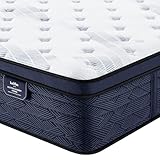
Overview: This 12-inch queen hybrid combines latex, memory foam, and pocketed coils to target back pain through zoned support and pressure relief. The multi-layer construction includes high-elasticity latex, contouring memory foam, and individually wrapped springs that adapt to body curves. Reinforced edges and motion isolation make it practical for couples and those with mobility concerns seeking pain-free sleep.
What Makes It Stand Out: The zoned support system dynamically adjusts to weight distribution, providing targeted lumbar reinforcement that mimics an “invisible arch bridge.” The open-cell latex structure and coil airflow channels actively dissipate heat, addressing a common hybrid complaint. Enhanced edge support expands usable sleep surface and facilitates sitting, a feature often sacrificed in bed-in-a-box models.
Value for Money: Positioned competitively for a 12-inch hybrid, this mattress undercuts premium brands by $300-500 while delivering comparable features. The pain-relief focus and durable construction offer strong ROI for back pain sufferers. However, unknown brand longevity may affect warranty confidence versus established competitors with proven track records.
Strengths and Weaknesses: Strengths include excellent back pain relief, hybrid responsiveness, superior cooling, motion isolation, and reinforced edges. The medium-firm feel suits most sleepers. Weaknesses include potential initial off-gassing, unclear organic certifications, unknown brand reputation, and possible durability questions with the specific foam densities used. Heavier individuals may experience faster wear.
Bottom Line: A compelling choice for back pain sufferers seeking hybrid benefits at a mid-range price. The cooling and zoned support features impress, though certification transparency could improve. Strong performance value if durability proves consistent over time.
5. Awara Premier Luxury Hybrid King Mattress 12 Inch - Certified Organic Natural Latex - Sustainable New Zealand Wool - Fiberglass-Free - 365-Night Trial

Overview: The Awara Premier Luxury Hybrid King mattress delivers 12 inches of GOLS and FSC-certified organic latex, sustainable New Zealand wool, and individually wrapped steel springs. The bamboo-rayon blend cover encases a fiberglass-free construction. Backed by an industry-leading 365-night trial and lifetime warranty, each purchase funds ten tree plantings in Africa through Trees for the Future, creating tangible social impact.
What Makes It Stand Out: The one-year trial and lifetime warranty eliminate purchase risk entirely. The combination of certified organic latex, New Zealand wool, and tree-planting initiative creates unmatched social and environmental value. Fiberglass-free construction addresses growing safety concerns, while the 8-inch coil system provides robust support and breathability that surpasses many competitors.
Value for Money: Premium pricing is justified by exceptional warranty terms, certified organic materials, and social impact. Comparable luxury hybrids cost similar amounts but offer shorter trials (100-120 nights) and limited warranties (10-15 years). The 10-tree donation adds tangible environmental value beyond typical corporate responsibility claims, making this a values-driven investment.
Strengths and Weaknesses: Strengths include unparalleled trial/warranty, certified organic materials, natural cooling, motion isolation, and meaningful social impact. The king size suits master bedrooms perfectly. Weaknesses include substantial weight complicating setup, premium cost exceeding $1,500, potential firmness unsuitability for strict side sleepers, and wool allergies for sensitive individuals. The bamboo-rayon cover requires gentle care.
Bottom Line: The ultimate risk-free investment in sustainable luxury. For those prioritizing organic materials, social responsibility, and peace of mind, this mattress delivers exceptional value despite its premium price. The trial period ensures perfect fit, making it ideal for discerning, values-driven consumers.
6. Pure Green Natural Latex Mattress Topper - Soft - 2 Inch - Queen Size (GOLS Certified Organic)
Overview: This premium 2-inch latex topper delivers targeted softness for mattresses that feel too firm. Made from organically grown rubber trees, it carries both GOLS organic certification and Fair Trade credentials. The queen-size design instantly contours to your body while maintaining natural breathability, making it ideal for eco-conscious sleepers seeking pressure relief without synthetic materials.
What Makes It Stand Out: The dual certification (GOLS and Fair Trade) sets this apart in a crowded market. Unlike blended latex toppers, this uses 100% natural latex that actively dissipates heat through its open-cell structure. The soft density specifically addresses comfort layering rather than support, and the organic harvesting process ensures no harmful pesticides or chemicals touch the product from tree to bedroom.
Value for Money: Priced in the premium range for latex toppers, the cost reflects legitimate organic certification and ethical sourcing. While more expensive than synthetic or blended alternatives, you’re investing in chemical-free sleep and sustainable farming practices. Comparable certified organic toppers typically cost 20-30% more, making this a mid-range value for purity-focused buyers.
Strengths and Weaknesses:
- Strengths: Genuine organic certification; excellent temperature regulation; immediate pressure relief; durable latex maintains shape; ethical Fair Trade production; no off-gassing odors.
- Weaknesses: “Soft” rating may not provide enough support for some; 2-inch thickness limits impact on very firm mattresses; premium price excludes budget shoppers; initial rubber smell may persist for days.
Bottom Line: Perfect for environmentally conscious consumers wanting to soften their existing mattress naturally. The certifications are legitimate, performance is consistent, and the cooling properties excel. Just ensure you truly need “soft” rather than medium-firm support before purchasing.
7. 100% Natural Latex Mattress, 1/2/3/4inch Latex Foam Bed Pad 7 Zone Green Natural Organic Latex Mattress Topper Back & Joint Support No Deformation,King,76"×80"×4"

Overview: This versatile natural latex topper emphasizes ergonomic support through its innovative 7-zone design. Available in multiple thicknesses, the king-size 4-inch version provides substantial cushioning for larger beds. Constructed from pure latex without synthetic fillers, it targets back and joint pain while promising long-term durability and shape retention for discerning sleepers.
What Makes It Stand Out: The 7-zone engineering delivers differentiated support for shoulders, lumbar, and hips—rare in toppers at this price. Thousands of honeycomb pores create superior airflow compared to solid latex designs. The “no deformation” guarantee suggests high-density construction, while motion isolation properties make it suitable for couples with different sleep schedules or restless partners.
Value for Money: Offering customizable thickness from 1 to 4 inches provides excellent scalability for various needs and budgets. The 4-inch king version represents strong value for pure natural latex with advanced zoning. Competitors charge significantly more for similar anatomical designs, making this a cost-effective solution for targeted orthopedic support without paying luxury brand premiums.
Strengths and Weaknesses:
- Strengths: True 7-zone support system; multiple thickness options; pure natural latex construction; exceptional motion isolation; self-ventilating honeycomb structure; reduces pressure points effectively.
- Weaknesses: 72-hour expansion period requires patience; heavy and difficult to maneuver; firmness level unclear across zones; limited certification details; may feel too responsive for memory foam lovers.
Bottom Line: An excellent choice for those needing specific orthopedic support on a budget. The zoning technology genuinely improves spinal alignment, and the natural cooling works well. Verify your preferred firmness level before ordering, as the return process can be cumbersome for bulky items.
8. Novilla Queen Size Mattress, 12 Inch Gel Memory Foam Mattress for Cool Night & Pressure Relief, Medium Plush Feel with Motion Isolating, Bliss

Overview: This 12-inch all-foam mattress combines cooling technology with pressure relief in a convenient bed-in-a-box format. The queen-size “Bliss” model uses four distinct foam layers, including gel-infused memory foam and an egg-crate airflow layer, to create a medium-plush feel. Designed for hot sleepers wanting motion isolation without springs, it balances contouring comfort with temperature regulation.
What Makes It Stand Out: The comprehensive cooling system addresses heat retention from multiple angles: gel infusion, convoluted foam design, and a breathable rayon cover claiming 30% increased airflow. Four foam layers work synergistically—combining pressure distribution with high-density base support that prevents sagging. The medium-plush rating appeals to side sleepers needing shoulder/hip relief while maintaining enough firmness for back support.
Value for Money: Positioned as a mid-range memory foam mattress, it undercuts premium cooling brands by 40-50% while offering comparable features. The CertiPUR-US certification ensures safety without inflating costs. For couples seeking motion isolation and temperature control on a moderate budget, this delivers professional-grade features without the showroom markup, though durability beyond 5-7 years remains uncertain.
Strengths and Weaknesses:
- Strengths: Multi-layer cooling system; excellent motion isolation; CertiPUR-US certified safe; 30% more breathable cover; effective pressure point relief; works with all bed frames.
- Weaknesses: Initial off-gassing common; edge support weaker than hybrid designs; medium-plush may feel too soft for stomach sleepers; expansion time varies with temperature; cover not removable for washing.
Bottom Line: A solid performer for hot sleepers wanting foam’s contouring benefits without the heat. The cooling features actually deliver, and motion isolation is excellent for couples. Best suited for side/back sleepers under 230 pounds who prioritize temperature regulation over firm support.
9. COTTON SLEEP 11" 100% GOTS Organic Cotton, Wool & GOLS Latex Mattress | Pocketed Coils | Bed in a Box | Fiberglass & Toxin Free | Made in USA | If It’s Not 100%, It’s a NO | Queen

Overview: This 11-inch hybrid mattress merges natural materials with modern coil technology for a chemical-free sleep solution. Featuring GOTS-certified cotton and wool alongside GOLS-certified latex over pocketed coils, it eliminates fiberglass and synthetic foams entirely. The queen-size design emphasizes breathability and balanced support for all sleeping positions while maintaining rigorous organic standards through USA-based manufacturing.
What Makes It Stand Out: The “100% or it’s a NO” philosophy manifests in triple certification (GOTS, GOLS, and domestic production). Unlike most hybrids, it uses wool as a natural fire barrier instead of fiberglass, addressing a major health concern. The pocketed coil system enhances airflow while the latex-wool combination regulates temperature naturally, creating a sleep surface free from petrochemical off-gassing common in conventional mattresses.
Value for Money: Premium pricing reflects genuine organic materials and American manufacturing. While costing 2-3 times conventional hybrids, it competes favorably with other certified organic brands that often exceed $2,000. For chemically sensitive individuals or those prioritizing sustainable USA-made products, the investment delivers tangible health and environmental benefits that justify the higher upfront cost through durability and purity.
Strengths and Weaknesses:
- Strengths: Triple organic certification; fiberglass-free construction; excellent temperature regulation; responsive latex comfort; durable pocketed coil support; made in USA; no harmful off-gassing.
- Weaknesses: Premium price excludes budget buyers; heavier than all-foam options; may feel too firm for strict side sleepers; limited availability; wool layer may have natural scent initially.
Bottom Line: Ideal for health-conscious consumers and those with chemical sensitivities. The certifications are comprehensive and legitimate, performance is consistent across sleep positions, and the fiberglass-free design is a major safety win. Worth the premium if organic purity and American manufacturing are non-negotiable priorities.
10. Zinus 6 Inch Twin Green Tea Memory Foam Mattress [New Version], Fiberglass Free, Medium Firm Feel, Zoned Pressure Relief, Certified Safe Foams & Fabric, Mattress in A Box

Overview: This streamlined 6-inch twin mattress targets budget-conscious buyers needing safe, simple comfort. The new fiberglass-free version improves safety while maintaining Zinus’s popular green tea and charcoal infusion for freshness. With medium-firm support and zoned pressure relief, it suits children, guest rooms, or minimalist setups. The compressed delivery and 10-year warranty provide surprising value for a basic foam mattress.
What Makes It Stand Out: The patented zoned pressure relief technology is rare in budget-tier mattresses, offering differentiated support for head, shoulders, and legs. Green tea and charcoal infusions naturally combat odors without chemical treatments. The fiberglass-free construction addresses previous safety concerns, while the smaller shipping box reduces environmental impact. CertiPUR-US and OEKO-TEX certifications ensure safety standards exceed typical entry-level mattresses.
Value for Money: Exceptional value—among the lowest-priced certified safe mattresses available. The twin size undercuts competitors by 50-60% while including premium features like zoning and natural infusions. The 10-year warranty demonstrates manufacturer confidence rarely seen at this price. For temporary or secondary sleeping arrangements, it delivers professional certifications and decent comfort at a price point where most mattresses cut dangerous corners.
Strengths and Weaknesses:
- Strengths: Incredibly affordable; fiberglass-free; dual safety certifications; zoned support technology; natural odor control; 10-year warranty; lightweight setup.
- Weaknesses: 6-inch profile limits deep contouring; 250-pound weight capacity restricts adult use; medium-firm may feel too hard for some; durability concerns beyond 5 years; edge support minimal.
Bottom Line: Perfect for kids’ rooms, dormitories, or occasional guest use. The safety certifications are legitimate and the price is unbeatable. Don’t expect luxury comfort, but for a clean, basic sleeping surface under $200, it outperforms every competitor. Adult primary sleepers should consider thicker options.
What Defines a Premium Latex Mattress?
A premium latex mattress transcends basic comfort to deliver exceptional durability, purity, and craftsmanship. These mattresses typically feature at least 6-8 inches of natural latex as the core support system, topped with organic cotton and wool layers that enhance breathability and moisture-wicking. The difference between a truly premium option and a mediocre one often lies in the density of the latex, the transparency of sourcing, and the absence of synthetic fillers that compromise both performance and environmental integrity.
Natural vs. Synthetic: The Core Distinction
Natural latex derives from the sap of Hevea brasiliensis rubber trees, tapped sustainably without harming the plant. This milky-white liquid is then processed using either the Dunlop or Talalay method to create the resilient foam that defines these mattresses. Synthetic latex, conversely, is petroleum-based styrene-butadiene rubber (SBR) that mimics natural latex’s properties but lacks its eco-credentials and durability. Premium eco-conscious mattresses use 95-100% natural latex, while budget options often blend synthetic materials to cut costs. Look for manufacturers who explicitly state their latex percentage—vague terms like “contains natural latex” typically signal significant synthetic content.
Dunlop vs. Talalay: Production Methods Decoded
The manufacturing process dramatically impacts feel, durability, and environmental footprint. Dunlop latex, the original method, involves pouring liquid latex into molds, vulcanizing it, and washing away residual proteins. This creates a denser, firmer foam that’s exceptionally durable and requires less processing energy—making it the favorite among purist eco-conscious shoppers. Talalay latex adds vacuum-sealing and flash-freezing steps before vulcanization, resulting in a more consistent, softer feel with a lighter environmental profile per unit but requiring more energy-intensive processing. Premium mattresses often strategically combine both: Dunlop for supportive base layers and Talalay for plush comfort layers, optimizing both sustainability and sleep experience.
Why Eco-Conscious Consumers Are Making the Switch
The environmental case for natural latex mattresses extends far beyond their biodegradable components. These sleep systems represent a holistic approach to sustainable living, where every production stage is evaluated for ecological impact—from the carbon-sequestering rubber plantations to the chemical-free manufacturing facilities.
The Sustainable Lifecycle of Natural Latex
Rubber trees produce sap for up to 30 years, absorbing CO2 throughout their lifecycle. A single tree can yield enough latex for one mattress core over its productive lifetime, making natural latex one of the few mattress materials with a net-positive carbon sequestration story. After the tapping period, trees are harvested for timber, and new ones are planted, creating a renewable cycle. Compare this to petroleum-based memory foam, which extracts finite resources and releases volatile organic compounds (VOCs) throughout its decade-long landfill sentence, and the ecological advantage becomes starkly clear.
Carbon Footprint and Environmental Impact
Premium manufacturers often source latex from certified organic plantations in Sri Lanka, India, or Guatemala, where sustainable forestry practices prevent soil erosion and support biodiversity. The best brands provide carbon-neutral shipping and use recycled steel for innerspring hybrids (if applicable). Energy-efficient production facilities powered by renewable sources further minimize the footprint. When evaluating options, investigate whether companies offset their transportation emissions and use minimal, recyclable packaging—cardboard and paper rather than plastic wrap.
Certifications That Verify Authentic Eco-Friendly Claims
In an industry rife with ambiguous marketing, third-party certifications serve as your most reliable compass for separating genuine sustainability from greenwashing. These rigorous standards evaluate everything from chemical content to worker welfare, providing transparency that discerning shoppers demand.
GOLS (Global Organic Latex Standard)
The gold standard for latex mattresses, GOLS certification requires that at least 95% of the latex’s dry weight comes from certified organic raw material. It prohibits harmful substances, sets strict limits on VOC emissions, and mandates environmental management throughout the supply chain. Crucially, GOLS also addresses social criteria, ensuring fair wages and safe working conditions on rubber plantations. True GOLS-certified mattresses feature a tracking number that allows you to verify authenticity directly with the certifying body—always ask for this documentation before purchasing.
GOTS (Global Organic Textile Standard)
While GOLS covers the latex core, GOTS certification applies to the textile components—primarily the cotton cover and wool fire barrier. This standard ensures these materials are organically grown without pesticides and processed without toxic dyes or finishes. A mattress bearing both GOLS and GOTS certifications represents the pinnacle of organic sleep surfaces, with every component meeting stringent ecological and toxicological criteria. Be wary of brands that highlight one certification while ignoring others; comprehensive sustainability requires whole-mattress certification.
OEKO-TEX and Other Relevant Certifications
OEKO-TEX Standard 100 tests for harmful substances in the final product, ensuring it’s safe for human health. While valuable, it doesn’t verify organic sourcing, so it should complement—not replace—GOLS/GOTS. The eco-INSTITUT label goes further, testing for VOCs, formaldehyde, and other emissions. For the most rigorous standard, look for the Made Safe certification, which screens against a database of over 6,500 known harmful substances. Greenguard Gold certification is another indicator of low chemical emissions, particularly important for households with children or chemical sensitivities.
Anatomy of a High-Quality Latex Mattress
Understanding what lies beneath the organic cotton cover empowers you to assess quality beyond marketing claims. Premium construction involves strategic layering, precise densities, and thoughtful design elements that enhance both comfort and longevity.
Understanding Layer Configurations
Most premium latex mattresses feature a multi-layer design: a dense support core (typically 6-8 inches of firm Dunlop latex), transition layers for pressure relief, and a plush comfort layer (often Talalay). The total latex height should exceed 10 inches for true luxury. Some models incorporate zoned support, with firmer latex under the hips and softer latex under the shoulders, promoting spinal alignment. Avoid mattresses with thin latex layers (under 3 inches) glued over polyurethane foam—these hybrid imposters compromise both durability and eco-credentials.
The Role of Ventilation and Airflow Design
Natural latex’s open-cell structure inherently promotes breathability, but premium mattresses enhance this with pinhole patterns created during molding. These holes, strategically sized and spaced, create channels for heat and moisture to escape. Some manufacturers add vertical channels or convoluted (egg-crate) layers to amplify airflow. This design not only keeps you cool but also prevents moisture buildup that could degrade the latex over time. When evaluating options, ask about hole density—more holes per square foot typically indicate better temperature regulation.
Firmness Selection for Your Sleep Style
The “perfect” firmness is subjective, but premium latex mattresses offer customization options that conventional beds can’t match. Understanding how firmness interacts with sleep position and body weight ensures you invest in a mattress that will serve you for its full lifespan.
Side, Back, and Stomach Sleeper Considerations
Side sleepers typically need softer surfaces (ILD rating of 19-28) to allow shoulders and hips to sink slightly, maintaining spinal alignment. Back sleepers benefit from medium firmness (ILD 28-32) that supports the lumbar region without creating pressure points. Stomach sleepers require firmer support (ILD 32+) to prevent the pelvis from sinking and arching the spine. Premium manufacturers provide detailed Indentation Load Deflection (ILD) ratings rather than vague terms like “medium-firm,” enabling precise selection based on your physiology.
Split Firmness Options for Couples
One of latex’s unique advantages is the ability to create split-firmness configurations within a single mattress. For couples with different sleep preferences, premium brands offer customized layering where each side has a different ILD rating. This eliminates the compromise of choosing a single firmness level and prevents motion transfer more effectively than any other material. Some manufacturers even provide dual-zone customization, with different firmness levels for shoulder and hip areas on each side—truly personalized sleep engineering.
Longevity: Calculating True Investment Value
Premium latex mattresses command higher upfront costs, but their exceptional durability transforms them into one of the most economical choices over time. Understanding lifespan metrics helps justify the initial investment and reveals the hidden costs of cheaper alternatives.
Expected Lifespan and Durability Factors
A high-quality natural latex mattress typically lasts 15-25 years—two to three times longer than conventional memory foam or innerspring beds. The material’s resilience means it resists sagging and body impressions; premium latex retains its shape and support characteristics even after decades of use. Key durability indicators include latex density (measured in kg/m³) and manufacturing purity—denser Dunlop layers (over 85 kg/m³) provide the longest-lasting support cores. Some premium brands offer 20-year warranties with minimal sagging allowances (under ¾ inch), demonstrating confidence in their product’s longevity.
Cost-Per-Year Analysis vs. Conventional Mattresses
Consider a $3,000 premium latex mattress lasting 20 years versus a $1,000 conventional mattress requiring replacement every 7 years. The latex option costs $150 annually, while replacing cheaper beds totals $143/year—plus the environmental cost of three mattresses in landfills. When you factor in improved sleep quality, reduced allergy medication needs, and zero off-gassing health impacts, the latex mattress becomes the clear value winner. Premium options also maintain their comfort longer, preventing the gradual sleep quality decline that necessitates premature replacement of lesser beds.
Health and Wellness Benefits Beyond the Environmental Appeal
While sustainability drives the initial interest, the health advantages of premium latex mattresses often become the most valued benefit. These sleep surfaces create a cleaner, healthier microenvironment that supports restorative sleep in ways conventional mattresses cannot match.
Hypoallergenic and Antimicrobial Properties
Natural latex is inherently resistant to dust mites, mold, and mildew—common allergens that thrive in conventional mattresses. The material’s dense structure leaves no room for mites to colonize, while its antimicrobial properties inhibit bacterial growth. For asthma and allergy sufferers, this can mean significantly reduced symptoms and medication dependency. Premium manufacturers wash their latex multiple times during production to remove residual proteins that could trigger rare latex allergies, making the final product hypoallergenic even for most sensitive individuals.
Temperature Neutrality and Sleep Quality
Unlike memory foam that traps heat, latex’s open-cell structure and natural breathability maintain a neutral sleep temperature year-round. The material doesn’t rely on heat to conform to your body; instead, it responds instantly to pressure and movement. This temperature neutrality supports deeper sleep cycles, as your body doesn’t waste energy thermoregulating. Premium models with organic wool fire barriers add moisture-wicking capabilities, absorbing up to 30% of their weight in water vapor without feeling damp, keeping you dry during hot flashes or humid nights.
Navigating Price Points and Value Propositions
Understanding what drives cost helps you identify when a premium price reflects genuine quality versus marketing markup. The latex mattress market spans from $800 budget options to $5,000+ luxury models, with meaningful differences at each tier.
What Drives Premium Pricing
Authentic GOLS-certified organic latex costs 3-4 times more than synthetic blends due to sustainable farming practices and lower yields. Handcrafting in small batches, multi-stage washing processes, and quality control testing add labor costs. Organic cotton and wool covers, particularly those with GOTS certification, cost significantly more than conventional textiles. Premium brands also invest in transparent supply chains, carbon offset programs, and fair labor practices—all worthwhile costs that ethical shoppers willingly support. A true premium queen-size latex mattress typically starts around $2,000; anything substantially less likely compromises on materials or certifications.
Avoiding Hidden Costs and Greenwashing
Beware of “organic” claims that only apply to the cover while the latex core contains synthetics. Some manufacturers charge extra for basic features like removable covers or proper edge support. Shipping costs for heavy latex mattresses can add $200-300 if not included. More insidious are the health costs of cheap alternatives: VOC exposure, allergen accumulation, and poor sleep quality. Always verify certifications directly with issuing bodies, and question brands that aren’t transparent about latex percentages, densities, or sourcing locations. True premium brands welcome these questions and provide detailed documentation.
Debunking Latex Mattress Myths
Misinformation persists about latex mattresses, often deterring shoppers from making what could be their best sleep investment. Separating fact from fiction is crucial for confident decision-making.
Latex Allergies: Separating Fact from Fiction
True latex allergies involve proteins in natural rubber latex (NRL), but premium mattress manufacturing washes away 98-99% of these proteins. Most reactions occur from direct skin contact with medical gloves or balloons—not from sleeping on a latex mattress covered by organic cotton and wool. The FDA has never reported a case of anaphylaxis from latex mattresses. However, if you have a severe diagnosed latex allergy, consult your allergist. For the 1-6% of the population with sensitivities, some manufacturers offer protein-testing documentation showing levels below detection limits.
Weight and Handling Considerations
There’s no denying it: latex mattresses are heavy. A queen-size all-latex mattress can weigh 140-180 pounds, making setup challenging. However, this weight reflects density and quality—lightweight latex is either thin or low-density. Premium brands offer white-glove delivery and setup services, often included in the price. Once positioned, the weight becomes an advantage: the mattress stays put, doesn’t shift on the foundation, and its mass contributes to motion isolation. For those needing occasional moving, many premium models feature multi-layer designs that allow you to unzip the cover and move layers separately.
Proper Care and Maintenance Protocols
Protecting your investment through proper care ensures your premium latex mattress reaches its full lifespan potential while maintaining optimal performance characteristics.
Cleaning and Protecting Your Mattress
The ideal setup includes a breathable, waterproof mattress protector made from organic materials. This barrier prevents moisture, spills, and skin cells from reaching the latex while allowing airflow. Spot-clean the organic cotton cover using mild, plant-based detergents—never saturate the latex core with water. Vacuum the mattress surface quarterly using an upholstery attachment to remove dust. Rotate the mattress head-to-foot every 6-12 months to promote even wear, though quality latex resists body impressions so effectively that rotation is precautionary rather than necessary.
Warranty Preservation Strategies
Most premium warranties require using a proper foundation—slatted bases with gaps no wider than 3 inches, or solid platforms. Inadequate support causes sagging that voids coverage. Keep all documentation, including the law label and purchase receipt. Photograph the mattress upon delivery to document its pristine condition. Avoid removing the law label, as this can technically void the warranty. If you notice any issues, contact the manufacturer immediately rather than waiting—most have reporting time limits. Understanding these requirements before purchase prevents costly surprises if you ever need to file a claim.
Understanding Sleep Trials and Return Policies
A substantial trial period is non-negotiable for premium mattress purchases, as latex feels different from conventional materials and requires an adjustment period. Reputable brands stand behind their products with customer-friendly policies.
What to Look for in a Trial Period
Premium latex mattresses need at least 30 nights for your body to adjust—some manufacturers require this minimum before accepting returns. Look for 90-120 night trials that include free return shipping. Understand the return process: some companies arrange donation pickup, while others require you to repackage the mattress (challenging with latex). The best brands offer full refunds without restocking fees. Ask whether trial periods apply to customized split-firmness models, as these sometimes have different policies. A lengthy, hassle-free trial signals manufacturer confidence and protects your investment.
Decoding Warranty Terms and Conditions
Premium warranties should cover at least 20 years, often with a 10-year full replacement period followed by a prorated phase. Scrutinize the sagging threshold—premium standards allow less than ¾ inch indentation, while inferior warranties permit 1.5 inches or more. Check what’s excluded: stains, improper foundations, and normal softening are typical exclusions. Some warranties require the mattress to be periodically flipped (rare for latex) or limit coverage to the original purchaser. The most transparent brands provide warranty claim data—ask about their claim rate; reputable manufacturers have rates below 2%.
Frequently Asked Questions
1. How can I verify a mattress’s GOLS certification is legitimate?
Request the certification number from the manufacturer and enter it on the Global Organic Latex Standard website’s public database. Legitimate certifications list the specific product, manufacturing facility, and validity period. Be suspicious of brands that only show a certificate copy without providing a searchable number—this can indicate expired or irrelevant certifications.
2. Will a latex mattress feel hot compared to my memory foam bed?
No—latex sleeps significantly cooler than memory foam. Natural latex’s open-cell structure promotes continuous airflow, while memory foam’s closed-cell design traps heat. Premium latex mattresses with organic wool fire barriers actively wick moisture and regulate temperature, creating a microclimate that stays comfortable year-round without chemical cooling gels.
3. Can I use my existing box spring with a new latex mattress?
Only if it’s a solid or slatted foundation with slats no more than 3 inches apart. Traditional coil box springs lack the rigid support latex requires and will cause premature sagging. Most premium manufacturers specify acceptable foundations in their warranty terms; using the wrong base can void your coverage.
4. How do I know if a mattress contains synthetic latex if it’s not clearly labeled?
Check the law label—U.S. regulations require disclosure of filling materials. If it lists “styrene-butadiene rubber” or “SBR,” it contains synthetics. Also, natural latex has a subtle, earthy scent and a cream-to-amber color; synthetic blends are brighter white and have a stronger chemical smell. When in doubt, ask for the percentage of natural vs. synthetic content in writing.
5. Are latex mattresses suitable for people with severe dust mite allergies?
Absolutely. Natural latex is the most dust mite-resistant mattress material available. Its dense structure and antimicrobial properties create an inhospitable environment for mites, mold, and mildew. Many allergy specialists specifically recommend organic latex mattresses for patients with severe sensitivities, often resulting in reduced symptoms and medication needs.
6. What’s the difference between a hybrid latex mattress and an all-latex mattress?
All-latex mattresses contain only latex foam layers (plus the cover and fire barrier). Hybrids combine a latex comfort layer with a coil support core. While hybrids reduce cost and weight, they compromise on durability and motion isolation. For true premium eco-conscious choice, all-latex models are superior—they last longer, contain no metal components, and provide purer sustainability.
7. How long should I expect a premium latex mattress to off-gas?
Natural latex has minimal off-gassing—typically just a mild, natural scent that dissipates within a few hours to a few days. This is vastly different from memory foam, which can off-gas VOCs for months. Premium manufacturers air-wash their latex multiple times during production, and GOLS certification ensures VOC emissions remain at negligible levels. You can sleep on it the first night without health concerns.
8. Is it worth paying extra for a mattress with a removable, washable cover?
Yes, for several reasons. Removable GOTS-certified organic covers allow you to clean spills without involving the latex core, extending the mattress’s life. They also let you inspect the latex layers directly, verifying you received what you paid for. Some premium brands design covers with zipper access to individual layers, enabling firmness adjustments or replacement of a single layer if needed—adding decades to the usable life.
9. How does latex compare to other “eco-friendly” mattress materials like organic cotton or wool batting?
Organic cotton and wool are excellent for covers and comfort layers but lack the supportive resilience of latex for the core. A mattress made solely of cotton batting would compress and become unsupportive within months. Latex provides the unique combination of sustainable sourcing, durability, and pressure-relieving support that other organic materials cannot match alone. Think of latex as the engine and cotton/wool as the fine interior.
10. What should I do with my old mattress when upgrading to latex?
Many premium latex manufacturers offer mattress removal services, responsibly recycling or donating your old bed. If handling it yourself, research mattress recycling facilities in your area—over 90% of mattress components (steel, foam, fibers) can be recycled. Some charities accept gently used mattresses, though regulations vary by location. Avoid sending it to a landfill; the environmental impact undermines the sustainability benefits of your new latex investment.
See Also
- 10 Premium Pillow Top Mattresses Worth the Investment in 2026
- 10 Affordable Latex Mattresses for Eco-Conscious Shoppers in 2026
- 10 Premium RV King Mattresses for Luxury Motorhomes Worth the Splurge in 2026
- 10 Essential Latex Mattresses for Eco-Conscious Shoppers in 2026
- The 10 Ultimate Latex Mattresses for Hot Sleepers in 2026