Table of Contents
Sleep is the ultimate form of self-care, and in 2026, the most restorative slumber comes with a clean conscience. As climate consciousness moves from trending topic to non-negotiable lifestyle pillar, eco-aware homeowners are reimagining every corner of their sanctuaries—including the bedroom. The mattress industry, once notorious for petroleum-based foams and landfill-bound waste, has undergone a remarkable transformation. Natural latex mattresses now represent the intersection of luxury comfort and planetary stewardship, offering a sleep surface that’s as kind to your body as it is to the environment.
But navigating the green mattress landscape requires more than good intentions. With evolving certifications, innovative manufacturing processes, and sophisticated greenwashing tactics, making an informed choice demands serious homework. Whether you’re renovating your primary suite or finally upgrading that guest room, understanding what truly makes a latex mattress sustainable will ensure your investment supports both your health and your environmental values for decades to come.
Top 10 Latex Mattresses
Detailed Product Reviews
1. Pure Green Organic Latex Mattress - Medium Firmness - Queen
 - Medium Firmness - Queen](https://m.media-amazon.com/images/I/51aHYq4E2gL._SL160_.jpg)
Overview: The Pure Green Organic Latex Mattress delivers a medium-firm sleep surface crafted from 8 inches of GOLS-certified organic latex, wrapped in a quilted cover of organic cotton and wool. Designed and assembled entirely in Chicago, this queen-sized mattress arrives roll-compressed in innovative paper packaging—no plastic involved. With dual GOTS and GOLS certification plus Fair For Life Fair Trade credentials, it targets eco-conscious consumers seeking transparent, sustainable bedding without assembly hassles.
What Makes It Stand Out: This mattress distinguishes itself through rigorous third-party certifications and domestic manufacturing. The paper-based packaging eliminates plastic waste while maintaining compression efficiency. Its medium firmness profile accommodates combination sleepers and couples with differing preferences, while the organic wool layer naturally regulates temperature and moisture. The single-material latex core provides consistent, durable support without the motion transfer issues common in spring mattresses.
Value for Money: Priced competitively within the organic mattress segment, it undercuts many imported alternatives while supporting local manufacturing. The 8-inch all-latex construction typically outlasts hybrid designs, offering better long-term value. Fair Trade certification ensures ethical production, justifying a modest premium over conventional mattresses. Compared to similar certified organic options, it delivers exceptional transparency and quality control.
Strengths and Weaknesses: Strengths include comprehensive organic certifications, USA-based production, eco-friendly packaging, excellent motion isolation, and natural temperature regulation. The medium firmness suits most sleeping positions. Weaknesses involve no mentioned sleep trial, substantial weight requiring two people for setup, and potential firmness adjustment period for those new to latex. Side sleepers over 230 pounds may find it too firm.
Bottom Line: Ideal for environmentally aware shoppers prioritizing organic materials and domestic craftsmanship. Best suited for back and side sleepers under 230 pounds seeking a durable, chemical-free mattress with reliable temperature neutrality.
2. Awara Premier Luxury Hybrid King Mattress 12 Inch - Certified Organic Natural Latex - Sustainable New Zealand Wool - Fiberglass-Free - 365-Night Trial
 Latex - Sustainable New Zealand Wool - Fiberglass-Free - 365-Night Trial](https://m.media-amazon.com/images/I/41b2Z8B+-+L._SL160_.jpg)
Overview: The Awara Premier Luxury Hybrid King combines 12 inches of GOLS and FSC-certified organic latex with sustainable New Zealand wool and individually wrapped steel springs. This premium mattress offers a 365-night home trial and lifetime warranty, backing its fiberglass-free design. For each purchase, Awara plants ten trees through its nonprofit partnership, merging luxury sleep with environmental stewardship.
What Makes It Stand Out: The industry-leading one-year trial and lifetime warranty eliminate purchase risk entirely. The hybrid construction balances latex’s responsive comfort with steel springs’ targeted support, while New Zealand wool provides superior moisture-wicking. Its fiberglass-free design ensures safety, and the tree-planting initiative adds meaningful environmental impact. The bamboo rayon blend cover enhances cooling beyond standard organic cotton.
Value for Money: While positioned at the premium tier, the extensive trial period and lifetime warranty provide unparalleled consumer protection. The hybrid design offers more complex engineering than all-foam alternatives, justifying the cost. When factoring in the environmental contribution and certified materials, it represents solid value for luxury mattress shoppers who view their purchase as a long-term investment.
Strengths and Weaknesses: Strengths include the exceptional trial/warranty package, certified organic materials, hybrid support system, motion isolation, temperature regulation, and charitable component. The king size offers generous space for couples. Weaknesses center on its substantial weight, higher price point, and potential edge support limitations common in hybrid designs. The medium-firm feel may not suit those wanting plush softness.
Bottom Line: Perfect for buyers seeking risk-free purchasing confidence and premium hybrid performance. Best for couples wanting motion isolation with bounce, back sleepers needing spinal alignment, and eco-conscious consumers willing to invest in long-term quality and environmental impact.
3. Queen Mattress in a Box 12 Inch, Back Pain Relieving, Latex Hybrid Mattress Queen Size with Pocket Coils, Motion Isolation & Dynamic Pressure Relief & Luxurious Comfort, Medium Firm Responsive Support
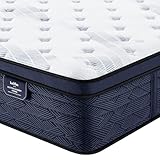
Overview: This Keltfos 12-inch queen hybrid mattress targets back pain through a strategic layering of high-elasticity latex, memory foam, and individually pocketed coils. Engineered for dynamic pressure relief and zoned spinal support, it arrives compressed in a box for convenient setup. The design emphasizes motion isolation, reinforced edges, and cooling airflow channels, offering medium-firm responsive support for multiple sleep positions.
What Makes It Stand Out: The zoned support system adapts independently to body contours, providing targeted lumbar reinforcement that functions like an “invisible arch bridge” for lower back pain. Enhanced edge support prevents roll-off and extends usable surface area. The open-cell latex structure combined with hundreds of airflow channels actively dissipates heat, addressing a common hybrid mattress weakness. Its pain-relief focus is explicit in both design and marketing.
Value for Money: Positioned as a mid-range hybrid, it delivers features typically found in premium models: zoned support, reinforced edges, and multi-layer construction. The direct-to-consumer packaging reduces costs while maintaining quality components. For back pain sufferers, the targeted design may eliminate need for separate toppers or chiropractic interventions, creating significant value compared to basic mattresses requiring aftermarket modifications.
Strengths and Weaknesses: Strengths include excellent pressure point relief, robust edge support, superior motion isolation, effective cooling system, and targeted lumbar support. The medium-firm feel accommodates most sleepers. Weaknesses involve the lesser-known brand reputation, potential initial off-gassing, and likely shorter warranty period than premium competitors. Heavier individuals may experience faster compression in comfort layers.
Bottom Line: An excellent choice for budget-conscious shoppers prioritizing back pain relief over brand prestige. Ideal for side and back sleepers under 250 pounds seeking zoned support, couples needing motion isolation, and hot sleepers wanting cooling performance without premium pricing.
4. Pure Green Organic Latex Mattress - Firm - King
Overview: The Pure Green Firm King mattress delivers robust support through 8 inches of GOLS-certified organic latex, encased in a quilted organic cotton and wool cover. Handcrafted in Chicago, this king-sized model maintains the same rigorous certifications—GOTS, GOLS, and Fair For Life Fair Trade—as its medium counterpart. The firm configuration provides strong support with minimal sink, while the organic wool layer maintains natural temperature regulation. It ships roll-compressed in eco-friendly paper packaging.
What Makes It Stand Out: This mattress offers genuine firm support without sacrificing pressure relief, a rare balance in all-latex designs. The domestic manufacturing ensures exceptional quality control and transparency. Its certifications cover the entire supply chain, from rubber tree to finished product. The paper-based packaging system remains an industry-leading sustainability feature. The firm density makes it particularly suitable for heavier individuals or stomach sleepers who often struggle to find truly supportive organic options.
Value for Money: The firm version matches the medium model’s pricing structure, offering premium organic materials at a competitive price point. King-size dimensions provide excellent value for couples sharing the bed. The durable all-latex construction typically maintains support for 15+ years, outperforming most hybrids and foams. Fair Trade certification adds ethical value rarely found at this price tier, making it a smart long-term investment.
Strengths and Weaknesses: Strengths include genuine firm support, comprehensive organic certifications, USA manufacturing, motion isolation, natural cooling, and durable construction. The king size offers generous space. Weaknesses include no mentioned sleep trial, extreme weight requiring professional setup, and excessive firmness for side sleepers under 150 pounds. The unforgiving surface may cause initial discomfort for those accustomed to softer mattresses.
Bottom Line: Best suited for stomach sleepers, heavier individuals (over 230 pounds), and those requiring maximum spinal support. Ideal for eco-conscious buyers needing a firm, durable, chemical-free king mattress and willing to forgo trial periods for certified quality.
5. Pure Green Natural Latex Mattress Topper - Soft - 2 Inch - Queen Size (GOLS Certified Organic)

Overview: The Pure Green Soft Queen Topper adds two inches of GOLS-certified organic latex to existing mattresses, instantly softening firm surfaces while maintaining cooling properties. Harvested from organically grown rubber trees and Fair Trade certified, this topper offers immediate pressure relief without replacing your entire bed. The natural open-cell structure promotes airflow, preventing heat retention common in memory foam toppers. It arrives ready to use with no assembly required.
What Makes It Stand Out: This topper transforms unsuitable mattresses organically rather than synthetically. The soft density provides noticeable plushness without compromising latex’s responsive support, eliminating the “stuck” feeling of memory foam. Its certification ensures no off-gassing or harmful chemicals, making it safe for sensitive individuals. The 2-inch profile offers substantial comfort adjustment while remaining stable and less prone to shifting than thinner toppers. It breathes naturally, addressing overheating in firm mattresses.
Value for Money: At a fraction of new mattress costs, this topper extends bed life and improves comfort economically. It’s particularly valuable for temporarily softening guest room beds or adjusting mattresses during injury recovery. Compared to synthetic memory foam toppers, the organic latex construction maintains performance longer without sagging or chemical breakdown. The Fair Trade certification adds ethical value at minimal price premium, representing smart budgeting for quality sleep improvements.
Strengths and Weaknesses: Strengths include instant comfort adjustment, certified organic materials, natural cooling, responsive support, lightweight handling, and versatility across mattress types. It effectively masks minor firmness issues and extends mattress lifespan. Weaknesses include inability to fix sagging or structural problems, potential sliding on non-grippy surfaces, and insufficient thickness for dramatic firmness changes. The soft density may feel too yielding for those needing robust support.
Bottom Line: Perfect for making overly firm mattresses comfortable without full replacement. Ideal for side sleepers, lighter individuals, and those wanting to test latex feel before committing to a full mattress. A cost-effective, eco-friendly solution for temporary or moderate comfort adjustments.
6. Novilla Queen Size Mattress, 12 Inch Gel Memory Foam Mattress for Cool Night & Pressure Relief, Medium Plush Feel with Motion Isolating, Bliss

Overview: The Novilla 12-inch queen mattress delivers a cooling sleep experience through its quad-layer foam design. Engineered with gel-infused memory foam and an egg-crate ventilation layer, this bed-in-a-box targets hot sleepers seeking pressure relief without the traditional heat retention of dense foam mattresses.
What Makes It Stand Out: The 4-layer construction features gel memory foam that actively dissipates heat, complemented by an egg-crate foam layer that boosts airflow by 30% through enhanced breathability. The medium-plush feel balances contouring comfort with responsive support, while high-density base layers prevent sagging and roll-off. Motion isolation technology ensures undisturbed sleep for couples throughout the night.
Value for Money: Priced competitively within the mid-range memory foam category, the CertiPUR-US certification and skin-friendly rayon cover add significant value. Comparable cooling mattresses often cost 20-30% more, making this an accessible upgrade for those prioritizing temperature regulation and safety.
Strengths and Weaknesses: Pros: Excellent cooling performance, strong motion isolation, certified safe materials, easy setup, compatible with all frame types. Cons: Requires 24-72 hour expansion period, initial off-gassing odor possible, medium-plush feel may not suit strict back sleepers, edge support could be firmer.
Bottom Line: This mattress excels for hot sleepers and couples wanting motion isolation at a reasonable price. Allow full expansion time and consider your firmness preference before purchasing.
7. Zinus 6 Inch Twin Green Tea Memory Foam Mattress [New Version], Fiberglass Free, Medium Firm Feel, Zoned Pressure Relief, Certified Safe Foams & Fabric, Mattress in A Box

Overview: Zinus redefines budget-friendly sleep with this 6-inch twin mattress infused with green tea and charcoal. The new version eliminates fiberglass concerns while delivering targeted pressure relief through innovative zoned support technology, making it ideal for children, teens, and guest rooms where space and safety matter.
What Makes It Stand Out: Patented zoned pressure relief technology provides ergonomic support where your body needs it most. Natural green tea and purified charcoal infusions maintain freshness without chemical treatments. The fiberglass-free construction and OEKO-TEX certified cover address common safety concerns, while reduced packaging minimizes environmental impact during shipping.
Value for Money: Exceptionally affordable for a CertiPUR-US certified mattress with advanced features. The 10-year warranty surpasses competitors in this price bracket, offering protection typically reserved for premium models. Perfect for budget-conscious buyers unwilling to compromise on essential safety certifications.
Strengths and Weaknesses: Pros: Outstanding price point, natural odor control, multiple safety certifications, 10-year warranty, eco-conscious packaging. Cons: 6-inch profile offers limited plushness, 250 lb weight capacity restricts adult use, medium-firm feel may be too rigid for side sleepers, thinner than standard mattresses.
Bottom Line: An excellent value for growing children or occasional guests. The safety certifications and warranty make it a smart choice for twin bed needs, though adults should consider thicker options for daily use.
8. COTTON SLEEP 11" 100% GOTS Organic Cotton, Wool & GOLS Latex Mattress | Pocketed Coils | Bed in a Box | Fiberglass & Toxin Free | Made in USA | If It’s Not 100%, It’s a NO | Queen

Overview: COTTON SLEEP delivers a genuinely organic sleep solution with this 11-inch queen hybrid mattress. Combining GOTS-certified cotton and wool with GOLS latex and pocketed coils, it eliminates synthetic foams and fiberglass entirely, appealing to health-conscious consumers seeking pure, natural materials in their sleep environment.
What Makes It Stand Out: Every component is certified organic or natural, from the cotton cover to the latex comfort layer and New Zealand wool interior. The pocketed coil system provides targeted support while maintaining excellent breathability, and the wool layer naturally regulates temperature and moisture without chemical treatments. Domestic manufacturing ensures stringent quality control and reduced carbon footprint.
Value for Money: While priced at a premium compared to conventional hybrids, the comprehensive organic certifications justify the cost. Comparable fully-certified organic mattresses typically cost 40-50% more, making this a relative value for purists prioritizing material integrity and domestic production over budget constraints.
Strengths and Weaknesses: Pros: Truly organic construction, excellent temperature regulation, no off-gassing, supportive hybrid design, made in USA. Cons: Higher price point, firmer feel may disappoint those expecting plushness, limited brand recognition, heavier than all-foam options.
Bottom Line: Ideal for eco-conscious buyers willing to invest in certified organic materials. The hybrid design offers durability and support that pure foam organic mattresses lack, though comfort seekers should test firmness preferences first.
9. Latex for Less 2-Sided Natural Latex Mattress, King, Medium, Handcrafted in USA, GOTS Certified Organic Cotton, Natural Wool, 9 inches

Overview: Latex for Less offers unprecedented versatility with this dual-sided king mattress featuring medium and firm comfort options in one innovative design. Handcrafted in the USA with certified organic materials, it delivers natural latex support without synthetic additives for discerning sleepers prioritizing both customization and purity.
What Makes It Stand Out: The innovative 2-in-1 design effectively provides two mattresses for the price of one, allowing users to customize their sleep experience by simply flipping the mattress. Eight inches of natural latex core with GOTS-certified cotton and natural wool creates a completely chemical-free sleep sanctuary. Domestic artisan craftsmanship ensures premium construction quality and supports local economies.
Value for Money: Exceptional value for couples with differing firmness preferences or individuals uncertain about their ideal comfort level. Purchasing two separate latex mattresses would cost substantially more, while the 9-inch profile offers durability that thinner competitors lack. The dual design essentially halves your risk of choosing wrong.
Strengths and Weaknesses: Pros: Dual firmness versatility, premium organic materials, no harmful off-gassing, durable latex construction, supports US manufacturing. Cons: Heavy and difficult to flip regularly, lacks a soft option, premium pricing may exceed budget shoppers, requires substantial break-in period.
Bottom Line: Perfect for couples compromising on firmness or anyone wanting to experiment with sleep surfaces. The organic credentials and flippable design justify the investment, though physically flipping a king mattress demands effort and planning.
10. King Mattress,10 Inch Natural Latex Hybrid Gel Memory Foam, Individually Wrapped Pocket Coils Innerspring Mattress, Pressure Relief, Back Pain Relief
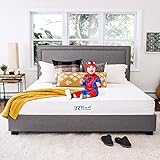
Overview: This 10-inch king hybrid merges Talalay latex technology with gel memory foam and pocketed coils, creating a multi-layered system targeting hot sleepers with back pain concerns. The chemical-free Talalay process and 120-night trial demonstrate manufacturer confidence in its cooling and supportive performance capabilities.
What Makes It Stand Out: Talalay latex provides responsive support without gellation reagents, while gel memory foam layers create advanced airflow channels for hot sleepers. The 1056 individually wrapped coils deliver zoned support with superior motion isolation across the entire surface. The immediate-use design requires no off-gassing period, and the extensive trial period removes purchase risk entirely.
Value for Money: Competitively priced for a latex hybrid, the 120-night trial and immediate usability add tremendous value. Comparable Talalay latex mattresses typically cost significantly more, while the hybrid design bridges the gap between pure foam and traditional innerspring systems effectively.
Strengths and Weaknesses: Pros: Excellent temperature regulation, no initial off-gassing, strong pressure relief, robust motion isolation, generous trial period. Cons: Hybrid construction makes it heavy and harder to move, edge support may be inconsistent, brand lacks long-term reputation, coil count may be excessive for some preferences.
Bottom Line: Ideal for hot sleepers seeking pressure relief without the wait. The trial period makes it a low-risk investment, though the weight requires consideration for setup and future moving situations.
Understanding Natural Latex: The Foundation of Sustainable Sleep
Natural latex begins its journey as milky sap harvested from Hevea brasiliensis rubber trees, primarily cultivated in certified organic plantations across Southeast Asia and South America. Unlike synthetic alternatives derived from petroleum byproducts, authentic natural latex is a renewable resource that actually benefits the environment during production. A single rubber tree can produce sap for up to 30 years while absorbing significant amounts of CO2, creating a carbon-negative raw material when ethically managed.
The harvesting process itself is remarkably sustainable. Tappers carefully score the bark, allowing latex to flow into collection cups without harming the tree. This process repeats every few days, creating a continuous renewable cycle. For eco-conscious consumers, the key is verifying that plantations follow agroforestry principles—maintaining biodiversity, avoiding monoculture practices, and ensuring fair wages for workers. In 2026, leading manufacturers provide supply chain transparency that traces your mattress back to specific cooperative farms.
Dunlop vs. Talalay: Which Process Aligns With Your Values?
The transformation from tree sap to mattress material follows two distinct paths, each with unique environmental and performance implications. The Dunlop process, dating back to 1929, represents the more energy-efficient option. Manufacturers whip the liquid latex into a froth, pour it into molds, and steam-bake it. The resulting foam is denser, firmer, and contains fewer processing agents—making it the darling of purists seeking minimal chemical intervention.
Talalay latex undergoes a more complex journey. After pouring into molds, the material is vacuum-sealed and flash-frozen before baking. This additional energy input creates a more consistent cell structure and softer feel, but at an environmental cost. The process requires more electricity and incorporates more additives to stabilize the foam. For eco-conscious buyers in 2026, the choice often boils down to priorities: Dunlop for maximum sustainability, Talalay for specific pressure-relief preferences. Many premium eco-mattresses now strategically layer both types, placing Dunlop in support cores and Talalay in comfort layers.
GOLS Certification: The Gold Standard for Organic Latex
Global Organic Latex Standard (GOLS) certification has become the non-negotiable benchmark for truly organic latex mattresses in 2026. This comprehensive standard scrutinizes every production stage, requiring a minimum of 95% certified organic raw material. But the certification’s power lies in its holistic approach—it mandates strict limits on harmful substances, prohibits certain chemical additives, and enforces environmental management protocols throughout manufacturing.
What many shoppers miss is that GOLS also governs social criteria. Certified facilities must demonstrate fair labor practices, safe working conditions, and ethical trade relationships. When evaluating mattresses, look for the GOLS logo paired with a certification number that can be verified through the Control Union database. Be wary of vague “made with organic latex” claims—this often means the mattress contains only a small percentage of GOLS-certified material blended with conventional latex. True GOLS-certified mattresses feature organic latex in all latex components, not just select layers.
Beyond Latex: Sustainable Mattress Components to Consider
An eco-conscious mattress extends far beyond its latex core. The supporting elements deserve equal scrutiny. Organic cotton covers should carry GOTS (Global Organic Textile Standard) certification, ensuring the fabric is free from pesticides and processed without toxic dyes or finishes. Look for cotton that’s naturally colored or dyed with low-impact pigments.
Wool fire barriers have become the sustainable alternative to chemical flame retardants. Responsibly sourced wool provides natural fire resistance while adding temperature-regulating properties. Verify that wool comes from farms practicing humane animal stewardship—look for ZQ Merino or similar ethical wool certifications. For the mattress base, FSC-certified wood frames guarantee responsible forestry practices. Some cutting-edge manufacturers now incorporate coconut husk fiber (coir) or hemp batting as transitional layers, creating fully biodegradable support systems.
The Truth About Mattress Off-Gassing and VOCs
Volatile Organic Compounds (VOCs) represent one of the most concerning aspects of conventional mattresses, releasing harmful chemicals into your bedroom air for months after unboxing. Natural latex mattresses virtually eliminate this concern when properly certified. The key offender to avoid is synthetic latex blended with styrene-butadiene rubber (SBR), which can off-gas concerning compounds like 1,3-butadiene.
True natural latex emits a mild, earthy scent that dissipates within days—not the chemical smell associated with memory foam. For maximum protection, seek mattresses certified to OEKO-TEX Standard 100, which tests for over 1,000 harmful substances. The most rigorous standard, eco-INSTITUT, analyzes emissions down to the parts-per-billion level. In 2026, leading eco-mattresses also undergo Greenguard Gold certification, ensuring they meet strict chemical emissions limits for sensitive environments like schools and healthcare facilities.
Density and ILD: Decoding Comfort and Durability Metrics
Understanding latex specifications prevents disappointment and ensures longevity. Density, measured in kilograms per cubic meter (kg/m³), directly correlates with durability. For a mattress that will last 15-20 years, target core densities of 85-95 kg/m³. Comfort layers can be slightly less dense (65-75 kg/m³) while maintaining quality.
ILD (Indentation Load Deflection) measures firmness—the force required to compress foam by 25% of its thickness. Eco-conscious shoppers should note that ILD ranges vary between Dunlop and Talalay. A 20-24 ILD Talalay feels plush, while the same ILD in Dunlop feels medium-firm. For 2026, progressive construction is trending: multiple ILD layers create customized support zones. Look for mattresses offering split-firmness options for couples with different preferences, eliminating the need to compromise or purchase two separate mattresses.
Hybrid vs. All-Latex: Making the Right Construction Choice
The hybrid versus all-latex debate intensified in 2026 as steel coil technology went green. Natural latex hybrids now feature pocketed coils made from recycled steel, sometimes up to 95% post-consumer content. These coils provide responsive support and enhanced airflow, while latex layers deliver pressure relief. The combination creates a lighter, more affordable mattress with excellent edge support.
All-latex mattresses remain the purist’s choice for maximum sustainability. They’re completely metal-free, fully biodegradable, and offer unparalleled durability. The downside? Weight—a queen-size all-latex mattress can exceed 160 pounds. They also require a more substantial investment upfront. Consider your priorities: hybrids excel for adjustable bases and those wanting traditional bounce, while all-latex suits sleepers seeking motion isolation, longevity, and complete material purity.
The Biodegradability Factor: Planning for End-of-Life
A truly eco-conscious purchase considers the entire lifecycle. Natural latex is inherently biodegradable, breaking down in commercial composting facilities within 6-8 years. However, mattress construction complicates this process. Synthetic adhesives used to bond layers can impede decomposition and introduce microplastics.
Progressive manufacturers now employ water-based, natural latex adhesives or eliminate glue entirely through strategic layering and tension systems. When researching 2026 models, inquire about “chemical-free assembly” or “zero-VOC bonding.” Some brands offer take-back programs, ensuring responsible dismantling and recycling. Look for mattresses with removable, washable covers and accessible layers—this design extends lifespan by allowing component replacement rather than full mattress disposal.
Temperature Regulation: Natural Cooling for Better Sleep
Eco-conscious design naturally aligns with superior temperature regulation. Natural latex features an open-cell structure that promotes continuous airflow, preventing heat buildup that plagues synthetic foams. This inherent breathability works synergistically with organic wool and cotton components, creating a microclimate that wicks moisture and maintains stable temperatures.
For 2026, advanced manufacturing has enhanced these properties through zone-specific ventilation. Look for latex layers with geometric perforations patterns—strategically placed holes increase airflow to high-heat areas like the torso while maintaining support in pressure zones. Some manufacturers incorporate phase-change materials derived from natural oils, creating temperature-neutral sleep surfaces without petroleum-based gels. The result is a mattress that keeps you cool using physics and natural materials, not energy-intensive cooling technologies.
Motion Isolation: Eco-Friendly Doesn’t Mean Compromising Comfort
The misconception that eco-mattresses sacrifice performance for sustainability ends with natural latex. The material excels at motion isolation, absorbing movement far better than traditional innersprings. This property stems from latex’s ability to compress locally without creating ripple effects across the surface.
For couples, this means undisturbed sleep even with restless partners. The key is selecting the right layer configuration. Softer Talalay comfort layers excel at absorbing initial movement, while denser Dunlop cores prevent motion from transferring through the mattress depth. In 2026, split-queen and split-king configurations have become standard offerings in eco-luxury lines, allowing each sleeper independent comfort without compromising the shared sleep surface’s stability.
Adjustable Base Compatibility: Future-Proofing Your Investment
The rise of adjustable bases presents a compatibility challenge for dense, all-latex mattresses. While natural latex is inherently flexible, ultra-dense cores can resist articulation, creating stress points that compromise longevity. For eco-conscious shoppers planning to pair with an adjustable base, specific construction features become critical.
Look for multi-layer designs with thinner individual layers (2-3 inches each) rather than monolithic blocks. These flex naturally with base movements. Hybrid constructions with pocketed coils specifically designed for adjustability offer another solution. Verify that the manufacturer explicitly warranties the mattress for adjustable base use—many eco-brands now offer 10-year warranties specifically covering articulation stress. The mattress thickness also matters; stay within the 10-12 inch range for optimal performance.
Trial Periods and Warranties: What Eco-Conscious Shoppers Should Demand
Sustainable investments require protection. The standard 100-night trial has evolved in 2026, with premium eco-mattresses offering 180-365 night sleep trials. This extended period acknowledges that natural materials require break-in time and that environmental factors like humidity affect performance. Crucially, verify the return process—ethical companies partner with local charities for donations rather than shipping returns across the country.
Warranty terms reveal true quality. A 20-25 year warranty indicates confidence in material durability, but read the fine print. Look for non-prorated coverage for at least the first decade. The warranty should specifically cover sagging depths (aim for coverage of impressions exceeding 0.75 inches) and specify that repairs use identical organic materials. Some warranties become void if the mattress isn’t used on a proper foundation—ensure your bed frame meets requirements to maintain coverage.
Price vs. Value: Understanding the True Cost of Sustainable Sleep
Sticker shock often greets eco-conscious mattress shoppers, with premium natural latex models commanding $2,000-$4,000 for a queen. However, the value equation shifts dramatically when calculating cost-per-year over the mattress lifespan. A $3,000 mattress lasting 20 years costs $150 annually—less than replacing a $800 conventional mattress every 5 years.
The hidden value lies in health benefits. Reduced VOC exposure, superior spinal alignment, and temperature regulation contribute to measurable improvements in sleep quality and overall wellness. Factor in the environmental cost of manufacturing and disposal: conventional mattresses generate approximately 80% more carbon emissions over their lifecycle and occupy 40 cubic feet in landfills for centuries. Some manufacturers now offer carbon-neutral shipping and participate in reforestation programs, adding intangible value for eco-conscious buyers.
Red Flags: Greenwashing Tactics to Avoid in 2026
Sophisticated marketing has made greenwashing harder to spot. “Natural” claims top the list of deceptive language—this unregulated term can describe mattresses containing as little as 10% natural latex blended with synthetics. Always demand certification percentages. Another tactic involves highlighting one organic component while obscuring conventional materials elsewhere. A mattress might feature an organic cotton cover but contain SBR latex cores and chemical fire barriers.
Beware of “plant-based” foams, which often replace only 10-20% of petroleum with soy or castor oil, leaving the remainder as conventional memory foam. CertiPUR-US certification, while valuable for conventional foam, does not indicate organic or natural materials—it only verifies low VOC emissions. True eco-mattresses carry specialized certifications like GOLS, GOTS, and eco-INSTITUT. Finally, investigate corporate practices. Some brands tout green products while maintaining unsustainable manufacturing operations. Look for B-Corp certifications or transparent sustainability reports.
Caring for Your Latex Mattress: Extending Its Eco-Friendly Lifespan
Proper maintenance dramatically extends your mattress’s life, maximizing sustainability. Natural latex resists dust mites and mold naturally, but still benefits from regular care. Rotate your mattress head-to-toe every 3 months for the first year, then semi-annually. Unlike memory foam, latex doesn’t require flipping due to its durable construction.
Use a breathable, organic mattress protector to shield against moisture and stains—waterproof barriers can trap humidity and degrade natural fibers. For cleaning, avoid harsh chemicals. A mixture of mild castile soap and water handles most spots; ensure thorough drying. Expose your mattress to sunlight periodically by removing covers for a few hours; UV rays naturally sanitize and refresh latex. Maintain bedroom humidity between 30-50% to prevent wool compression and preserve latex elasticity. With diligent care, your eco-mattress can exceed its warranty period, delaying replacement and reducing your long-term environmental footprint.
Frequently Asked Questions
How can I verify a mattress is truly GOLS certified?
Check the Control Union certifiers database using the certification number on the product label. True GOLS mattresses display a specific code that traces back to the exact production facility. Reputable brands also provide transaction certificates showing the organic latex purchase history.
What’s the difference between “natural” and “organic” latex?
“Natural” is an unregulated marketing term that can include blends with synthetic materials. “Organic” latex must meet GOLS standards, requiring 95%+ certified organic raw material and adherence to strict environmental and social criteria throughout production.
Will a latex mattress feel hot like memory foam?
No—natural latex has an open-cell structure that promotes airflow and sleeps significantly cooler than memory foam. When combined with breathable organic cotton and moisture-wicking wool, it creates a temperature-neutral sleep surface without heat-trapping properties.
How long does it take for a latex mattress to off-gas?
Quality natural latex has minimal off-gassing, typically emitting only a mild, earthy scent that dissipates within 3-7 days. If you detect strong chemical odors beyond two weeks, the mattress likely contains synthetic additives.
Are latex mattresses suitable for people with allergies?
Natural latex resists dust mites, mold, and mildew naturally. However, those with latex allergies should consult their physician. Most reactions occur with skin contact, not the minimal exposure from a covered mattress.
Can I use a latex mattress on my existing bed frame?
Most latex mattresses work with slatted frames featuring gaps no wider than 3 inches. Platform beds are ideal. Traditional box springs lack adequate support and may void warranties. Always verify foundation requirements before purchasing.
How do I dispose of a latex mattress responsibly at end-of-life?
Contact the manufacturer about take-back programs. Many eco-brands partner with recycling facilities. Natural latex can be commercially composted. Alternatively, search for mattress recycling centers that dismantle components for material recovery.
Why are eco-friendly latex mattresses so heavy?
Natural latex is dense and durable. A queen all-latex mattress weighs 140-180 pounds. This density indicates quality and longevity but requires two people for setup. Hybrid designs reduce weight by 30-40% while maintaining eco-benefits.
Do latex mattresses work for side sleepers?
Absolutely. Softer Talalay comfort layers (ILD 20-24) provide excellent pressure relief for shoulders and hips. Many eco-mattresses offer zoned support specifically designed for side sleepers, with softer foam in pressure point areas.
Is there a break-in period for natural latex mattresses?
Yes, expect a 30-60 day adjustment period. Natural latex softens slightly as cell walls flex with use. Your body also adapts to the responsive support. Extended trial periods account for this, so avoid judging comfort in the first few weeks.
See Also
- 10 Essential Latex Mattresses for Eco-Conscious Shoppers in 2026
- 10 Essential Latex Mattresses for Allergy Sufferers in 2026
- 10 Affordable Latex Mattresses for Eco-Conscious Shoppers in 2026
- The 10 Ultimate Latex Mattresses for Hot Sleepers in 2026
- 10 Essential Crib Mattresses for Preemie Babies in 2026