Table of Contents
Sleep is the secret superpower behind every child’s growth, learning, and emotional resilience. Yet while parents obsess over bedtime routines and screen time limits, the mattress beneath their child often becomes an afterthought—just another piece of furniture. The reality? The wrong sleep surface can disrupt rest, aggravate allergies, and even impact spinal development during critical growth years. With children spending nearly 40% of their early lives asleep, choosing the right mattress isn’t just about comfort; it’s about investing in their health, focus, and happiness.
This comprehensive guide cuts through marketing noise and confusing jargon to arm you with everything you need to know before making one of the most important purchases for your growing family. From understanding how sleep needs evolve through childhood to decoding certifications and materials, we’ll walk through the non-negotiable factors that separate exceptional kids’ mattresses from mediocre ones.
Top 10 Kids Mattresses
Detailed Product Reviews
1. Novilla Twin Mattress, 6 Inch Twin Bed Mattress for Kids, Gel Memory Foam Mattresses for Cooling Night Sleep & Pressure Relief, CertiPUR-US Certified
 Mattresses for Cooling Night Sleep & Pressure Relief, CertiPUR-US Certified](https://m.media-amazon.com/images/I/51E318eEPfL._SL160_.jpg)
Overview:
The Novilla 6-inch twin mattress delivers a cooling gel memory foam experience designed specifically for children’s needs. This four-layer foam mattress arrives compressed in a box and promises enhanced temperature regulation through increased NanoGel content, making it an attractive option for parents outfitting their child’s first “big kid” bed.
What Makes It Stand Out:
The four-layer construction is remarkable for a 6-inch profile, combining gel memory foam, comfort foam, and high-density support layers typically found in thicker, pricier models. Novilla’s claim of 30% more NanoGel addresses common heat retention issues in budget foam mattresses. Advanced odor and moisture absorption technology, plus dual CertiPUR-US and OEKO-TEX certifications, position this as a health-conscious choice. The 10-year warranty exceeds industry standards for this price tier.
Value for Money:
Competitively priced in the sub-$200 category, this mattress over-delivers on features. The multi-layer design and premium certifications rival $300+ competitors, while the decade-long warranty provides exceptional protection. For growing children who’ll outgrow the mattress before it wears out, the value proposition is compelling.
Strengths and Weaknesses:
Strengths include superior cooling performance, excellent motion isolation, comprehensive safety certifications, and unexpected layer complexity. The high-density base maintains spinal alignment well. However, the 6-inch thickness limits suitability for adults over 150 pounds. Initial off-gassing requires the full 72-hour expansion period, and edge support remains modest. The cooling effect may diminish in very warm climates.
Bottom Line:
Ideal for children and teens up to 150 pounds, the Novilla twin mattress exceeds expectations for its class. Parents prioritizing safety certifications, cooling comfort, and durability without breaking the budget should consider this a top contender. Allow proper off-gassing time and avoid adult primary use for best results.
2. EGOHOME 6 Inch Twin Mattress for Kids, Memory Foam Mattress with Cooling Green Tea Gel, Relieve Pressure with Medium Firm Support, CertiPUR-US Certified, 75’‘L x 38’‘W, White
 with Cooling Green Tea Gel, Relieve Pressure with Medium Firm Support, CertiPUR-US Certified, 75''L x 38''W, White](https://m.media-amazon.com/images/I/51PKMWwuCGL._SL160_.jpg)
Overview:
EGOHOME’s 6-inch twin mattress leverages green tea gel infusion and patented memory foam to create a temperature-stable sleep surface for kids and guest rooms. The brand emphasizes consistent performance across climates, making it suitable for households without climate control. This mattress-in-a-box targets budget-conscious families seeking year-round comfort.
What Makes It Stand Out:
The temperature stability claim (4°C to 30°C) addresses a common memory foam weakness—seasonal firmness fluctuations. Natural green tea gel provides chemical-free cooling, while the patented foam adapts dynamically to posture changes. The brand’s transparent global supply chain spanning US, Laos, and Indonesia demonstrates manufacturing resilience. High-density foam minimizes motion transfer effectively.
Value for Money:
Priced aggressively against Novilla and Zinus, this mattress offers unique temperature-stable technology rarely seen under $250. The patented foam formulation justifies its cost premium over generic memory foam options. For families in variable climates, avoiding seasonal comfort issues adds significant practical value.
Strengths and Weaknesses:
Major strengths include reliable year-round performance, excellent pressure distribution, natural cooling infusion, and suitability for all sleep positions. The stable molecular structure prevents winter hardening. Weaknesses include limited brand recognition, 6-inch profile restrictions for heavier users, and potential concerns about global sourcing transparency. Edge support is average, and the cover durability remains unproven long-term.
Bottom Line:
A smart purchase for kids’ rooms in climate-challenged spaces or guest beds needing consistent feel. The temperature-stable foam technology solves real problems, but reserve judgment on durability until long-term reviews emerge. Best suited for users under 180 pounds who prioritize performance consistency over brand prestige.
3. Zinus 5 Inch Twin Green Tea Memory Foam Mattress [New Version], Fiberglass Free, Medium Firm Feel, Zoned Pressure Relief, Certified Safe Foams & Fabric, Mattress in A Box

Overview:
Zinus refreshes its bestselling green tea mattress with a fiberglass-free formulation and eco-conscious packaging. This 5-inch twin model targets safety-minded parents and environmentally aware consumers. The patented zoned pressure relief technology differentiates it from uniform foam competitors, while the reduced shipping footprint appeals to green shoppers.
What Makes It Stand Out:
Eliminating controversial fiberglass sets a new safety standard for budget mattresses. The zoned support system provides targeted pressure relief typically reserved for premium models. Green tea and charcoal infusions maintain freshness naturally. The smaller shipping box reduces carbon emissions by 20% according to Zinus. The 10-year warranty and 250-pound weight capacity offer surprising durability claims for a 5-inch profile.
Value for Money:
Undercutting most competitors while delivering advanced features, this mattress redefines budget value. Fiberglass-free construction alone justifies choosing this over older Zinus models. The zoned support system adds therapeutic value exceeding its price point. For safety-conscious families, the OEKO-TEX cover and CertiPUR-US foam provide premium certifications at entry-level cost.
Strengths and Weaknesses:
Strengths include trusted brand reputation, comprehensive safety certifications, innovative zoned support, and eco-friendly packaging. The fiberglass-free design eliminates health concerns. However, the 5-inch thickness severely limits deep compression support, making it unsuitable for adults over 200 pounds. Edge collapse is noticeable, and side sleepers may find pressure relief insufficient at shoulders and hips. The medium-firm feel runs firm.
Bottom Line:
Excellent for children, tweens, and lightweight teen sleepers. The safety improvements and zoned support make it a top budget pick for kids’ rooms. Avoid for primary adult use or heavier individuals. Accept its thin profile limitations and you’ll find exceptional value with industry-leading safety credentials.
4. Tiankehan Premium Dual-Sided Baby Crib Mattress and Toddler Mattress - 52" x 27.6" x 5" - Breathable - Firm Soft - Fits Standard Cribs and Toddler Beds

Overview:
The Tiankehan crib mattress addresses infant safety with rigorous certifications and a dual-sided design that transitions from ultra-firm infant support to softer toddler comfort. Measuring standard crib dimensions (52 x 27.6 x 5 inches), it fits all standard cribs and toddler beds while meeting federal flammability standards without toxic chemicals.
What Makes It Stand Out:
This mattress meets the strictest safety standards: CPSIA, CFR 1632/1633, and CFR 1241, exceeding typical CertiPUR-US requirements. The premium foam core prevents edge sinkage, reducing suffocation risks when babies roll. The brushed fabric cover offers moisture-wicking, anti-disturbance properties. Dual-sided functionality extends usable life from infancy through age 3-4, essentially providing two specialized mattresses in one.
Value for Money:
Priced mid-range ($100-150) for crib mattresses, the dual-stage design eliminates the need to purchase a second mattress during toddler years. Safety certifications that exceed federal minimums justify the premium over $50-70 basic models. When amortized over 3-4 years of use, the daily cost becomes negligible for the safety benefits provided.
Strengths and Weaknesses:
Unmatched safety credentials, dual-stage versatility, superior edge support, and breathable, quiet fabric are standout strengths. The anti-disturbance design promotes uninterrupted sleep. However, crib-specific dimensions prevent post-toddler use, limiting total lifespan. The infant side may feel excessively firm to some parents (though this is intentional for safety). The 5-inch thickness can make sheet fitting challenging with some brands.
Bottom Line:
An essential investment for safety-conscious parents. The Tiankehan mattress delivers peace of mind through comprehensive testing and thoughtful dual-stage engineering. While more expensive than basic options, the extended usability and superior safety features make it worthwhile for your child’s critical early years. Highly recommended for new parents prioritizing certified safety.
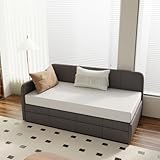
5. PrettSun Twin Mattress for Kids Adults, 5 Inch, Medium Firm, Cooling Gel Memory Foam, Fiberglass-Free & CertiPUR-US Certified, Support for Daybeds & Guests, Trundle Bed Compatible, Mattress in a Box
Overview:
PrettSun’s 5-inch twin mattress directly targets niche furniture applications—daybeds, bunk beds, and trundle units—with its low-profile design. The FAQ-style marketing addresses consumer concerns upfront, positioning this as a practical solution for multi-functional spaces requiring safe, space-conscious bedding for both children and occasional adult guests.
What Makes It Stand Out:
The explicit fiberglass-free guarantee and CertiPUR-US certification remove common purchase hesitations. The 5-inch profile is precisely engineered to maintain safety rail effectiveness on bunk beds while providing adequate support. The brand’s question-and-answer approach demonstrates unusual consumer empathy, addressing support concerns, material durability, and accessory compatibility directly.
Value for Money:
Competing in the ultra-budget segment, this mattress offers premium safety features at a price point where fiberglass and uncertified foams are common. Its high-density core resists sagging better than typical thin mattresses, extending value. For families furnishing multiple sleep spaces, the compatibility with various bed types multiplies its utility-per-dollar ratio significantly.
Strengths and Weaknesses:
Key strengths include ideal dimensions for safety-constrained furniture, verified fiberglass-free construction, family-safe certifications, and versatile application. The medium-firm feel accommodates most sleepers. However, the 5-inch thickness provides insufficient deep support for adults over 180 pounds. Edge support is minimal, and long-term durability for daily adult use remains questionable. The brand lacks established reputation or extensive warranty coverage.
Bottom Line:
A purpose-built solution for specific furniture types. Purchase confidently for children’s bunk beds, guest daybeds, or trundle units where safety and low profile matter most. Avoid for primary adult beds or heavier users. For its intended niche, it delivers exceptional safety and value, but recognize its performance limitations outside that scope.
6. EGOHOME 5 Inch Twin Mattress for Kids, Memory Foam Mattress with Cooling Green Tea Gel, Relieve Pressure with Medium Firm Support, CertiPUR-US Certified, 75’‘L x 38’‘W, White
Overview: The EGOHOME 5-inch twin mattress delivers memory foam comfort for children at an accessible price point. This 75" x 38" CertiPUR-US certified bed combines pressure-relieving foam with cooling green tea gel infusion. Designed for bunk beds and daybeds, it offers medium-firm support suitable for kids transitioning from cribs to standard beds.
What Makes It Stand Out: The green tea gel infusion provides natural temperature regulation uncommon in budget mattresses. Its patented foam maintains consistent firmness across seasons—a typical weakness of cheaper memory foam. The specialized bubble-hole structure enhances airflow, while stable molecular structure prevents winter hardening or summer softening, ensuring year-round comfort.
Value for Money: As an entry-level option, this twin mattress includes certified safe foam and cooling features usually found in pricier models. Comparable budget mattresses often lack temperature stability. The 5-inch profile keeps costs low while providing adequate support for children under 100 pounds, making it ideal for secondary sleeping arrangements or younger kids.
Strengths and Weaknesses: Strengths include excellent temperature stability, CertiPUR-US certification, effective pressure relief, and lightweight design for easy setup. Weaknesses involve the thin 5-inch profile limiting deep compression support for older children, minimal edge reinforcement, and a basic non-removable cover. Side sleepers may find it too firm, and it lacks longevity for long-term primary use.
Bottom Line: Perfect for young children in bunk beds or as a budget guest solution. Its temperature-stable foam and cooling gel deliver surprising quality, though heavier kids need thicker options.
7. EGOHOME 5 Inch Full Size Mattress for Kids, Memory Foam Mattress with Cooling Green Tea Gel, Relieve Pressure with Medium Firm Support, CertiPUR-US Certified, 75’‘L x 54’‘W, White
Overview: This full-size variant of the EGOHOME kids mattress expands the sleeping surface to 75" x 54" while maintaining the same 5-inch profile and feature set. It targets families wanting more room for growing children or versatile guest accommodations without sacrificing the budget-friendly approach. The memory foam construction with green tea gel cooling suits various sleep positions.
What Makes It Stand Out: Beyond the twin model’s green tea gel infusion and temperature-stable foam, the full size offers enhanced value for active sleepers who need extra space. The same patented bubble-hole structure and molecular stability ensure consistent performance across seasons. Its ability to deform with posture changes provides spinal support for restless kids.
Value for Money: The price jump from twin to full is proportionally reasonable, offering 42% more sleeping area for roughly 30-40% higher cost. This makes it a smarter long-term investment for kids who will grow into the space. Competing full-size memory foam mattresses at this price typically lack the temperature regulation and stability features, giving EGOHOME an edge in the budget category.
Strengths and Weaknesses: Strengths include generous full-size dimensions, consistent cooling performance, CertiPUR-US safety, and adaptability to different sleep positions. The stable foam prevents sagging. Weaknesses mirror the twin: the 5-inch thickness limits support for heavier users, edge support remains basic, and the cover isn’t washable. It may feel too firm for lighter children and won’t suit teenagers long-term.
Bottom Line: Ideal for growing kids needing more space or guest rooms requiring a compact, safe mattress. The full size maximizes value while maintaining cooling benefits, though primary beds for older children demand thicker profiles.
8. MLILY Twin Mattress in a Box, 6 inch Mattresses for Kids Bed Single Size Daybed Individual Bunk, Memory Foam Medium Firm

Overview: MLILY’s 6-inch twin mattress elevates the standard kids mattress with a focus on safety and quality control. This medium-firm memory foam bed combines gel infusion with a fiberglass-free flame retardant cover, targeting health-conscious parents. The 75" x 38" size suits bunk beds and daybeds, while US-based manufacturing promises consistent quality.
What Makes It Stand Out: The 92% cotton, 8% polyester fire-resistant inner cover eliminates fiberglass concerns common in budget mattresses—a significant health advantage. With over 90% of orders fulfilled by US factories, quality control surpasses typical overseas-only production. The gel infusion provides cooling without compromising the medium-firm support that orthopedic specialists recommend for developing spines.
Value for Money: Priced slightly above bare-budget options, the MLILY justifies cost through safety certifications and domestic manufacturing. The fiberglass-free construction alone adds value, preventing potential respiratory issues and skin irritation. While 6 inches remains thin, it’s a practical compromise between cost, safety, and support for children up to pre-teen years.
Strengths and Weaknesses: Strengths include the safe FR cover, CertiPUR-US certification, consistent US quality control, cooling gel, and appropriate medium-firm feel. Minimal off-gassing is another plus. Weaknesses involve the still-limited 6-inch thickness providing insufficient support for heavier kids, basic edge support, and no removable cover. Cooling may be inadequate for very hot sleepers despite gel infusion.
Bottom Line: A top safety-conscious choice for parents prioritizing non-toxic materials. The 6-inch profile works well for younger children and bunk beds, though teenagers and long-term primary use benefit from thicker alternatives.
9. MLILY Twin Mattress in a Box, 8 inch Mattresses for Kids Bed Single Size Daybed Individual Bunk, Memory Foam Medium Firm
Overview: MLILY’s 8-inch twin mattress builds on its 6-inch sibling’s safety focus with enhanced support depth. This model maintains the fiberglass-free cover, gel infusion, and US-centric production while adding two inches of foam for improved durability and comfort. The medium-firm profile suits growing children through their teenage years in bunk or standalone configurations.
What Makes It Stand Out: The additional thickness transforms this from a temporary kids bed into a legitimate long-term sleep solution while preserving the health-conscious fiberglass-free construction. The same 92% cotton fire barrier and CertiPUR-US foam ensures safety, but the 8-inch profile better accommodates weight distribution and prevents bottoming out—a common issue with thinner mattresses as children grow heavier.
Value for Money: The price increase over the 6-inch model is justified by extended longevity and broader weight accommodation. Parents avoid replacing the mattress during adolescence, making it cost-effective long-term. Competing 8-inch mattresses with similar safety credentials typically cost significantly more, positioning MLILY as a value leader in the mid-range safety-first category.
Strengths and Weaknesses: Strengths include superior 8-inch support depth, complete fiberglass-free safety, US manufacturing consistency, effective cooling gel, and versatile medium-firm feel. It handles active sleepers better than thinner models. Weaknesses include potential height issues for top bunks, higher price point, and still no removable cover. The medium-firm feel may not suit all preferences.
Bottom Line: An excellent investment for parents wanting a safe, durable mattress that grows with their child. The 8-inch thickness and safety features make it suitable for primary beds and teenagers.
10. Nectar Kids Twin Mattress 8” - 2-Sided Design for Growing Children - Pressure Relieving Memory Foam - Fiberglass Free - 365 Night Trial - Mattress in a Box

Overview: Nectar’s Kids Twin Mattress represents the premium tier of children’s bedding with innovative adaptability. This 8-inch mattress features a unique dual-sided design—firmer support for young children and softer comfort for older kids—paired with a 365-night trial and superior safety certifications. The removable, washable cover addresses practical parenting concerns directly.
What Makes It Stand Out: The flippable design extending usability from toddler to teen is unmatched in the market. One side offers cradling support for spinal development, while the flip side provides pressure-relieving comfort for growing bodies. OEKO-TEX Standard 100 fabric certification exceeds basic CertiPUR-US foam standards, ensuring every textile component is safe. The year-long trial demonstrates exceptional confidence.
Value for Money: While priced at a premium, the two-in-one design eliminates the need to purchase multiple mattresses throughout childhood. The washable cover reduces replacement costs from accidents, and the extended trial removes purchase risk. Compared to buying two separate quality mattresses over ten years, Nectar delivers substantial savings despite higher upfront cost.
Strengths and Weaknesses: Strengths include revolutionary 2-sided design, comprehensive safety certifications, washable cover, 365-night trial, and 8-inch robust construction. The stain-resistant fabric is practical for kids. Weaknesses involve premium pricing, significant weight making flipping challenging, and potential over-engineering for families needing only short-term solutions. It’s thicker than some bunk bed allowances.
Bottom Line: The ultimate long-term investment for growing children. Unmatched versatility, safety, and trial period justify the cost for parents prioritizing durability and adaptability from ages 3 through 16.
Why Your Child’s Mattress Matters More Than You Think
A child’s body isn’t just a smaller version of an adult’s—it’s a constantly evolving system with unique orthopedic and neurological needs. During deep sleep, growth hormone release peaks, tissues repair, and the brain consolidates memories from the day. A supportive, comfortable mattress facilitates these processes, while a subpar one can fragment sleep cycles, leading to groggy mornings, attention issues, and even compromised immune function.
Beyond physical development, sleep quality directly affects emotional regulation. Studies show that children who sleep poorly exhibit more behavioral problems and struggle with emotional control. The mattress plays a starring role in this equation, influencing everything from temperature regulation (preventing night sweats that wake them) to pressure point relief (reducing tossing and turning). Unlike adults, children can’t always articulate discomfort—they just know they “don’t like” their bed, making it crucial for parents to proactively identify potential issues.
Understanding Childhood Sleep Needs by Age
Infants and Toddlers (Ages 0-3)
Babies require ultra-firm, flat surfaces to reduce SIDS risk and support underdeveloped muscles. For toddlers transitioning to a “big kid bed,” the mattress must balance firmness for spinal alignment with just enough cushioning to feel welcoming. Look for models specifically designed for this transition phase, typically featuring reinforced edges to prevent roll-offs during those first independent nights.
Preschoolers (Ages 3-5)
At this stage, children develop distinct sleep position preferences and may start experiencing nightmares that disrupt rest. A medium-firm mattress accommodates side, back, and stomach sleeping while providing stability during restless nights. Durability becomes key as jumping-on-the-bed becomes a favorite activity, requiring robust internal construction that won’t sag under playful abuse.
School-Age Children (Ages 6-12)
With homework stress and early school start times, sleep efficiency is paramount. These kids need pressure relief for growing bones and joints, particularly if they’re involved in sports. The mattress should support proper posture as backpacks and desk work start affecting spinal health. Consider models with zoned support that offers firmer lumbar reinforcement.
Teenagers (Ages 13+)
Teen sleep patterns shift later, but school schedules don’t accommodate this biological change. Their mattresses must deliver premium pressure relief for rapid growth spurts and heavier body weights. Many teens benefit from the motion isolation of foam or hybrid designs, especially if they share rooms or have partners visiting. A Twin XL often becomes the minimum size requirement.
Key Mattress Features Every Parent Should Evaluate
Firmness Levels: Getting It Right for Growing Bodies
Firmness isn’t one-size-fits-all. For kids under 3, think “firm to very firm.” Ages 3-12 generally thrive on medium-firm surfaces (rated 5-7 on a 10-point scale), while teens can opt for medium to medium-soft if they’re primarily side sleepers. The “hand test”—pressing down and feeling minimal give—works for infants, but older children should lie down for at least 10 minutes in their typical sleep position to assess true comfort.
Materials Matter: From Memory Foam to Innerspring
Material composition affects everything from off-gassing odors to heat retention. Traditional innerspring offers bounce and airflow but can create pressure points. Memory foam contours beautifully but may sleep hot unless infused with cooling gel or graphite. Natural latex provides resilient support and antimicrobial properties but commands premium pricing. Each material carries distinct weight limits and durability expectations that must align with your child’s age and size.
Hypoallergenic and Non-Toxic Certifications
Children’s respiratory systems are more vulnerable to volatile organic compounds (VOCs) and chemical flame retardants. Prioritize certifications like GREENGUARD Gold, CertiPUR-US, and OEKO-TEX Standard 100. These verify low chemical emissions and absence of harmful substances. For natural materials, GOLS (Global Organic Latex Standard) and GOTS (Global Organic Textile Standard) ensure organic integrity from farm to factory.
Breathability and Temperature Regulation
Kids run hotter than adults due to higher metabolic rates. Mattresses with open-cell foam structures, phase-change materials, or moisture-wicking covers prevent overheating that fragments sleep. Innerspring and hybrid designs naturally excel here due to internal air channels. For foam options, look for perforated layers or copper/graphite infusions that conduct heat away from the body.
Mattress Types: Pros and Cons for Kids
Innerspring Mattresses: The Traditional Choice
The classic coil system offers affordability, strong edge support, and excellent airflow. Modern pocketed coil designs reduce motion transfer better than old-school Bonnell springs. However, they can be noisy and may not provide adequate pressure relief for lighter-weight children who don’t compress the springs fully. Durability varies dramatically based on coil gauge and count.
Memory Foam: Contouring Comfort
Viscoelastic foam excels at pressure point elimination and motion isolation, making it ideal for restless sleepers and shared rooms. The downside? Traditional memory foam retains heat and may emit initial off-gassing odors. Low-density foams (under 3 lbs/cubic foot) break down quickly under active kids. Always choose high-density, CertiPUR-US certified foam with cooling modifications.
Latex Mattresses: Natural Resilience
Derived from rubber trees, natural latex offers unmatched durability, natural antimicrobial properties, and responsive support without the “sink” of memory foam. It’s inherently cooler and more eco-friendly. The primary drawback is cost—quality latex mattresses start at premium price points. Some children find the bouncy feel less “cozy” than foam alternatives.
Hybrid Designs: Best of Both Worlds
Combining coil support cores with foam comfort layers, hybrids deliver balanced pressure relief, temperature neutrality, and structural integrity. They’re versatile enough to grow with a child from preschool through teen years. The complexity means more potential failure points, and quality varies significantly between manufacturers. Look for at least 2-3 inches of quality foam atop a pocketed coil system.
Safety First: Non-Negotiable Standards
Certifications to Look For
Beyond comfort, safety certifications protect against hidden hazards. The JPMA (Juvenile Products Manufacturers Association) seal indicates rigorous testing for crib and toddler mattresses. For all ages, verify the mattress meets federal flammability standards (16 CFR Part 1633) without using hazardous chemicals. Some states like California have additional stringent requirements (TB 117-2013) worth seeking out.
Edge Support and Structural Integrity
Weak edges create roll-off hazards and reduce usable sleep surface. Reinforced perimeters with high-density foam encasement or thicker gauge coils prevent collapse when kids sit or sleep near the edge. Test by sitting on the edge—it should compress minimally and rebound quickly. This feature becomes critical for toddlers transitioning from cribs.
Fire Retardants: What Parents Must Know
Federal law requires mattresses to withstand open flame for 30 minutes, but how manufacturers achieve this matters. Avoid products using PBDEs or other halogenated flame retardants. Instead, look for barriers made from silica, rayon, or Kevlar that are inherently fire-resistant. Some organic mattresses use wool, which naturally meets flammability standards without chemicals.
Size Considerations: Planning for Growth
Crib to Toddler Bed Transitions
Standard crib mattresses measure 27.25" x 51.625" and must fit snugly—no more than two fingers’ width between mattress and crib frame. Many convertible cribs use the same mattress for toddler bed conversion, but verify thickness compatibility with safety rails. Some parents opt for dual-sided infant/toddler mattresses, with extra-firm infant side and slightly cushioned toddler side.
Twin vs. Twin XL for Growing Kids
Twin mattresses (38" x 75") suffice for most children through age 12, but tall kids may outgrow them prematurely. Twin XL (38" x 80") adds 5 inches of length—crucial for teenagers and a wise investment that delays upgrading to a full-size. Consider room dimensions and whether siblings might eventually share the space.
When to Consider a Full-Size Mattress
Full or double mattresses (54" x 75") offer sprawling space for active sleepers and accommodate parents for bedtime stories or comforting sick kids. They’re ideal for teens who host sleepovers or have larger bedrooms. The trade-off? Higher cost, heavier weight for moving, and requiring more floor space that could limit play area.
Budget Breakdown: Investment vs. Value
Understanding Price Tiers
Kids’ mattresses range from $100 budget options to $2,000+ luxury models. Under $300 typically means basic innerspring or low-density foam with shorter lifespans. The $300-$700 sweet spot offers quality materials, decent warranties, and essential certifications. Above $700, you’re paying for premium materials like organic latex, advanced cooling tech, or extended warranties. Consider cost-per-year: a $500 mattress lasting 8 years costs $62.50 annually.
Warranty and Longevity Considerations
Most quality kids’ mattresses offer 10-year warranties, but read the fine print. Sagging coverage often requires impressions deeper than 1.5 inches, which may not protect against premature softening. Prorated warranties mean you’ll pay a percentage for replacements after several years. For teens, prioritize non-prorated coverage and verify weight limits—exceeding them can void warranties.
Common Parental Mistakes to Avoid
Buying Too Soft Too Soon
The biggest error is prioritizing plush comfort over support. Young spines need resistance to develop properly. A mattress that feels “cloud-like” to an adult may lack the firmness a child’s growing body requires. Always test firmness with your child lying down, not just by hand pressure, and defer to pediatrician recommendations for infants and toddlers.
Ignoring the Foundation
A mattress is only as good as its base. Slatted foundations need slats no more than 3 inches apart to prevent sagging. Bunk beds require specific low-profile mattresses (typically under 6 inches) to maintain safety rail effectiveness. Using an old, worn box spring with a new mattress voids most warranties and compromises support.
Overlooking Trial Periods and Return Policies
Kids need time to adjust—what feels perfect in a showroom may cause complaints after a week. Quality manufacturers offer 100-night sleep trials minimum. Understand return shipping costs and restocking fees. Some companies require a 30-day break-in period before returns, which is actually beneficial as it allows the mattress to fully expand and your child to adapt.
Maintenance Tips for Longevity
Protecting Your Investment
A waterproof, breathable mattress protector is non-negotiable for kids. Look for ones with noiseless fabric that don’t crinkle and disrupt sleep. Encasements that zip completely around the mattress also block dust mites and bed bugs. Replace protectors every 1-2 years as waterproofing degrades with washing.
Cleaning and Care Guidelines
Vacuum the mattress surface quarterly using an upholstery attachment to remove dust and allergens. Spot clean stains immediately with mild soap and water—never saturate the mattress. For deeper sanitization, sprinkle baking soda, let sit for hours, then vacuum. Some foam mattresses should never get wet, so check manufacturer guidelines. Rotate head-to-foot every 3-6 months to promote even wear.
When to Replace a Kids Mattress
Beyond visible sagging, replace mattresses when your child complains of stiffness, you notice worsening allergies (dust mite accumulation), or after any bedwetting incident that penetrated to the core. Most kids’ mattresses last 7-10 years, but active jumpers or heavier teens may compress them sooner. If your child outgrows the size or firmness needs change with growth spurts, it’s time to upgrade.
Special Considerations for Unique Sleepers
Kids with Allergies or Asthma
Encase mattresses in allergen-proof covers and prioritize latex or certified foam over innerspring, which can harbor dust mites in empty spaces. Wash bedding weekly in hot water. Consider mattresses with antimicrobial copper or silver infusions. Air out the room daily and maintain humidity below 50% to inhibit mite proliferation.
Children with Sensory Sensitivities
Kids with autism or sensory processing disorder may react strongly to textures, smells, or sounds. Opt for organic cotton covers without synthetic blends. Avoid mattresses with strong off-gassing odors by choosing certified low-VOC options or letting them air out for a week before use. Some prefer the deep pressure sensation of memory foam, while others need the responsiveness of latex—involve your child in testing.
Addressing Bedwetting Concerns
Beyond waterproof protectors, consider mattresses with removable, washable covers. Some brands offer waterproof internal layers beneath the surface fabric. Avoid traditional innerspring with pillow tops that can trap moisture. Quick-drying materials like latex or open-cell foam reduce mold risk. Have a backup plan: keep a spare protector and sheet set for middle-of-the-night changes.
The Environmental Impact of Your Choice
Sustainable Materials
Organic cotton, natural latex, and recycled steel coils reduce environmental footprint. These materials avoid pesticides and synthetic fertilizers, protecting both factory workers and your child’s bedroom air quality. While pricier, they typically outlast conventional materials, reducing landfill waste. Some companies offer take-back programs for responsible recycling at end-of-life.
Eco-Friendly Manufacturing
Look for companies using water-based adhesives, renewable energy in production, and minimal packaging. Certifications like Climate Neutral or B Corp indicate broader environmental commitment. Be wary of “greenwashing”—vague claims without third-party verification. True eco-friendly mattresses provide transparent supply chain documentation.
How to Test a Mattress with Your Child
In-Store Testing Strategies
Bring your child during a low-stress time, not after school when they’re tired and cranky. Have them lie in their natural sleep position for at least 10-15 minutes per mattress. Bring their pillow from home for consistency. Check spinal alignment from behind—their spine should appear straight, not bowed. Encourage them to roll around and sit on the edge to test motion transfer and support.
Home Trial Best Practices
If possible, set up the new mattress in a temporary location for the trial period before moving out the old one. This removes pressure and allows honest feedback. Track sleep quality for two weeks: note morning mood, complaint frequency, and whether they wake during the night. Some parents use sleep tracking apps to monitor movement patterns objectively. Don’t ignore subtle cues like increased stuffed animal hoarding (seeking comfort) or morning stretches (possible stiffness).
Frequently Asked Questions
How firm should my toddler’s first big-kid mattress be? Aim for medium-firm to firm (7-8 on the firmness scale). Toddlers need substantial support for proper bone development but slightly more cushion than infants. Press your hand into the surface—if it springs back quickly with minimal give, it’s likely appropriate. Always prioritize support over plushness.
Can my child sleep on a memory foam mattress safely? Yes, provided it’s CertiPUR-US certified and designed for children. Choose high-density foam (4+ lbs/cubic foot) for durability and ensure the mattress has cooling features to prevent overheating. Infants should never sleep on memory foam due to suffocation risk, but it’s generally safe for children over two.
What’s the ideal mattress thickness for bunk beds? Most bunk beds require mattresses 6 inches thick or less to maintain safety rail effectiveness. Check manufacturer specifications, as exceeding thickness limits can create dangerous gaps where children could become trapped. Thin doesn’t mean unsupportive—many quality bunk bed mattresses use high-density foam or low-profile coils.
How do I know if a mattress is truly non-toxic? Look for multiple third-party certifications: CertiPUR-US for foam, GREENGUARD Gold for low emissions, and OEKO-TEX Standard 100 for textiles. For natural options, verify GOLS for latex and GOTS for cotton. Be skeptical of vague “natural” claims without certification numbers you can verify online.
Should I buy a waterproof mattress or just a protector? Always use a waterproof protector regardless of mattress type. Integrated waterproof layers can crack over time and aren’t replaceable. A quality protector preserves warranty coverage, blocks allergens, and extends mattress life. For bedwetting concerns, double up: waterproof pad beneath the fitted sheet for quick nighttime changes.
How long should a kids mattress realistically last? With proper care, expect 7-10 years. However, consider your child’s growth trajectory. A mattress that fits a 6-year-old may be too small or too firm for a 14-year-old. Plan to reassess around age 10-12, especially if your child has experienced significant growth spurts or weight changes.
Is an organic mattress worth the extra cost? If your child has allergies, asthma, or chemical sensitivities, absolutely. Organic materials reduce VOC exposure and allergen accumulation. For otherwise healthy kids, conventional certified non-toxic mattresses offer similar safety at lower prices. Consider organic for the cover and comfort layers while compromising on support core materials to balance cost.
What’s better for hot sleepers: innerspring or foam? Innerspring and hybrid mattresses generally sleep cooler due to internal airflow. If choosing foam, prioritize open-cell structures, gel infusions, or copper/graphite additives. Look for breathable covers like Tencel or organic cotton. Some foam mattresses now incorporate phase-change materials that actively regulate temperature.
Can I reuse a mattress for a younger sibling? Only if it’s less than 5 years old, has been properly protected, shows no sagging or stains, and meets current safety standards. Infant mattresses should never be reused due to SIDS risk from potential internal contamination. For older kids, inspect thoroughly and consider professional sanitizing before reuse.
How do I handle my child’s complaint that the new mattress is uncomfortable? Implement a 30-day adjustment period where the old mattress remains available. Encourage them to persevere, as their body needs time to adapt. If complaints persist beyond 30 days, investigate specific issues: is it too firm, too hot, or causing pressure points? Use the sleep trial to exchange for a different firmness level or material rather than forcing adaptation.
See Also
- The 10 Best Gel Memory Foam Mattresses Every Hot Sleeper Needs This Year
- Stop Morning Aches with the 10 Best Pillow Top Mattresses This Year
- Stop Motion Transfer with the 10 Best Mattresses for Couples This Year
- Stop Night Sweats with the 10 Best Cooling Mattresses This Year
- 10 Best Hybrid Mattresses for Back Pain Relief This Year