Table of Contents
Choosing the perfect mattress for your child’s bunk bed involves more than just picking the first twin-size option you see. Innerspring mattresses have remained a trusted favorite for children’s rooms for decades, offering the responsive support growing bodies need while standing up to the inevitable jumping, bouncing, and fort-building that bunk beds inspire. This year, manufacturers have refined their designs specifically for vertical sleeping arrangements, balancing safety requirements with the comfort features that promote healthy sleep development.
As a parent, you’re likely juggling multiple priorities: safety certifications, proper spinal alignment, durability against enthusiastic play, and of course, budget constraints. The good news? Modern innerspring technology has evolved significantly from the squeaky, saggy models you might remember from your own childhood. Today’s options incorporate targeted support zones, breathable materials, and reinforced edges designed specifically for the unique demands of bunk bed configurations. Let’s explore everything you need to know to make an informed decision that keeps your kids safe, comfortable, and well-rested.
Top 10 Innerspring Mattresses For Bunk Beds
Detailed Product Reviews
1. NapQueen 6 Inch Innerspring Twin Size Medium Firm Support Relief Mattress, Bed in a Box, White
 Medium Firm Support Relief Mattress, Bed in a Box, White](https://m.media-amazon.com/images/I/51K3TCOuL3L._SL160_.jpg)
Overview: The NapQueen 6-inch twin innerspring mattress offers medium-firm support through a compressed bed-in-a-box design. Despite its name, this is a twin-size mattress featuring CertiPUR-US certified foams and OEKO-TEX Standard 100 textiles. It targets children, teens, and guest rooms with its low-profile design and 72-hour expansion timeline.
What Makes It Stand Out: Dual safety certifications distinguish this budget option, ensuring low VOC emissions and textile safety uncommon under $150. The medium-firm rating deliberately balances cushioning with spinal support, while realistic expansion guidance accounts for temperature variations. The compression packaging simplifies delivery through tight spaces.
Value for Money: At approximately $130-150, you’re paying a $20-30 premium over uncertified alternatives for documented material safety. This investment proves worthwhile for health-conscious buyers furnishing secondary spaces. The durable innerspring core ensures multi-year usability, delivering better longevity than all-foam budget mattresses at similar prices.
Strengths and Weaknesses: Strengths include certified safe materials, balanced firmness for growing bodies, and compact shipping. The 6-inch height suits bunk beds perfectly. Weaknesses: insufficient depth for adult side sleepers, potential brand confusion, and minimal motion isolation. Cold climates may require 96+ hours for full expansion.
Bottom Line: This mattress serves as a pragmatic, safety-minded solution for kids’ rooms and occasional guest use. Its certifications justify the modest cost increase over generic options, making it ideal where material transparency matters more than plush luxury. A reliable choice for budget-conscious, health-aware shoppers.
2. Linenspa 6 Inch Mattress - Firm Feel - Bonnell Spring with Foam Layer - Mattress in a Box - Youth or Kids Bed - Guest Bedroom - Durable and Breathable Support - Affordable - Twin Size

Overview: The Linenspa 6-inch twin mattress delivers firm support via traditional Bonnell springs topped with quilted foam. Engineered for youth beds, bunk setups, and guest rooms, this compressed mattress expands within 24-72 hours. Heavy-gauge tempered steel coils create a durable foundation for growing children and occasional adult use.
What Makes It Stand Out: Five inches of robust steel coils provide exceptional durability that outlasts all-foam budget options. Its versatility accommodates bunk beds, trundle units, RVs, and toddler transitions. The firm feel specifically benefits back and stomach sleepers seeking minimal sinkage, while the quilted cover adds basic comfort.
Value for Money: At roughly $100-120, this represents outstanding value for a steel-coil mattress. The construction quality rivals $200+ models, making whole-home furnishing financially viable. For guest rooms with sporadic use, the durability-per-dollar ratio is unmatched in the sub-$150 category, leaving budget for quality bedding.
Strengths and Weaknesses: Strengths include unbeatable affordability, reliable coil support, and rapid warm-room expansion. The firm profile prevents sagging over time. Weaknesses: excessive firmness discomforts side sleepers, thin foam layer provides minimal pressure relief, and motion transfer is noticeable. The basic cover offers limited breathability.
Bottom Line: This Linenspa mattress is a workhorse solution for budget shoppers prioritizing durability over plushness. Ideal for children’s daily use or guest room duty, it furnishes reliable support at a price point that leaves room in your budget for quality bedding upgrades. A practical, no-frills choice.
3. Linenspa 8 Inch Memory Foam Hybrid Mattress - Medium Firm - Bed in a Box - Breathable, Cooling, Supportive Comfort - Twin Size for Guest or Kids Room

Overview: The Linenspa 8-inch hybrid twin mattress upgrades the basic innerspring with memory foam, creating medium-firm comfort for guest rooms and children’s spaces. Combining hypoallergenic memory foam with traditional coils, it decompresses within 24-72 hours and includes a cozy knit cover for improved surface feel and breathability.
What Makes It Stand Out: The hybrid design merges pressure-relieving memory foam with supportive coils, addressing thin innerspring mattresses’ primary weakness. The 8-inch profile enables proper foam layering for spinal alignment. A 10-year limited warranty provides unusual longevity assurance in this price tier, while hypoallergenic materials cater to sensitive sleepers.
Value for Money: Priced around $150-180, the $30-50 upgrade from 6-inch models delivers measurable comfort improvements. The warranty alone adds significant value, potentially saving replacement costs. For guests or growing children, the enhanced pressure relief justifies the modest premium over basic coil mattresses, improving sleep quality.
Strengths and Weaknesses: Strengths include hybrid comfort, warranty protection, hypoallergenic construction, and better motion isolation. The knit cover enhances breathability. Weaknesses: potential carbon flecks from packaging (harmless but off-putting), memory foam may retain heat despite cooling claims, and edge support remains mediocre. Expansion can be slow in cold environments.
Bottom Line: This 8-inch hybrid strikes an excellent balance between cost and comfort. The warranty and foam layer make it a smarter long-term investment than thinner alternatives, particularly for guest rooms where visitor comfort matters. The modest price increase yields disproportionate quality gains for most sleepers.
4. Linenspa 6 Inch Mattress - Firm Feel - Bonnell Spring with Foam Layer - Mattress in a Box - Youth or Kids Bed - Guest Bedroom - Durable and Breathable Support - Affordable - Full Size

Overview: This full-size Linenspa 6-inch mattress replicates the twin version’s firm Bonnell spring construction across a broader 54-inch width. Designed for youth rooms and guest spaces, it ships compressed and expands within 24-72 hours. Heavy-gauge tempered steel coils support the increased surface area without compromising affordability.
What Makes It Stand Out: Securing a full-size mattress under $150 is increasingly rare, making this product’s price-to-size ratio its primary distinction. The same durable coil system from the twin model now accommodates couples or teenagers needing more space. It fits standard full bunk beds and trundle frames while maintaining the line’s signature affordability.
Value for Money: At roughly $130-150, this full-size mattress costs only 20-30% more than its twin counterpart while providing 40% more sleeping surface. This exceptional scaling makes it arguably the best value for those with space. Furnishing a guest room with full-size comfort at twin-size pricing represents a genuine bargain for budget-conscious households.
Strengths and Weaknesses: Strengths include unbeatable full-size affordability, robust coil durability, and versatile applications. The firm support prevents sagging across the wider surface. Weaknesses mirror the twin version: excessive firmness for side sleepers, minimal foam cushioning, and noticeable motion transfer between partners. Edge support weakens toward the center.
Bottom Line: For budget shoppers requiring full dimensions, this mattress is a standout choice. It sacrifices plushness for practicality, delivering reliable support across a larger footprint without the typical price jump. Perfect for teen rooms or guest spaces where size matters more than luxury, offering solid everyday value.
5. Twin Mattress 6 Inch, Foam and Spring Hybrid Mattresses, Bunk Bed Mattress for Kids, Medium Firm, Durable Support, Fiberglass Free - No Odor, Grey+White (6 Inch)

Overview: This generic-brand 6-inch twin hybrid mattress emphasizes safety with fiberglass-free construction and odor-free materials. Combining foam and spring layers, it targets bunk bed applications for children. The vacuum-sealed packaging allows 24-72 hour expansion, while breathable fabric and open-spring design promote airflow for temperature regulation.
What Makes It Stand Out: The explicit fiberglass-free designation addresses growing consumer concerns about fire barrier materials, offering healthier sleep environment assurances. The “no odor” claim suggests low-VOC manufacturing, while the breathable design combats heat buildup. Its bunk-bed-specific engineering ensures proper guardrail clearance and weight distribution for elevated frames.
Value for Money: Priced competitively around $100-130, this mattress competes directly with Linenspa while adding safety transparency. The fiberglass-free construction typically commands a $20-40 premium in branded alternatives, making this an intelligent value for health-conscious parents. The durability claims support reasonable multi-year use in kids’ rooms where safety is paramount.
Strengths and Weaknesses: Strengths include safety-first material choices, breathable construction, odor minimization, and bunk-bed compatibility. The medium-firm feel suits growing children. Weaknesses: unknown brand reputation, unclear warranty terms, basic comfort features, and potential quality control inconsistencies. The thin profile limits adult use and long-term comfort expectations.
Bottom Line: This mattress serves safety-focused families seeking bunk-bed solutions without fiberglass concerns. While lacking brand recognition, its material transparency and competitive pricing make it a prudent choice for children’s rooms where health considerations trump premium features. Verify seller warranty before purchasing to ensure adequate protection.
6. FDW | 5 Inch Twin Mattress | Medium Firm | Gel Memory Foam Mattress | White | Bed in a Box, CertiPUR-US Certified | Pressure Relief, Cooling Ventilated Foam | Washable Removable Cover
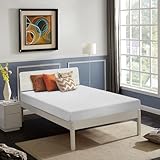
Overview: The FDW 5-inch twin mattress delivers essential memory foam comfort in a space-saving profile perfect for bunk beds, daybeds, and guest rooms. Combining gel-infused foam with a supportive base, it provides temperature regulation and pressure relief without bulk. CertiPUR-US certified and featuring a washable cover, this budget-friendly option suits children’s rooms, dorms, or temporary sleeping arrangements where practicality outweighs luxury. Its compressed shipping simplifies delivery to any floor of your home.
What Makes It Stand Out: Its ventilated gel foam technology actively enhances airflow, combating heat retention common in budget memory foam. The dual-layer construction—1-inch gel memory foam over 4-inch high-density base—targets pressure points while maintaining spinal alignment. The removable, machine-washable cover is a standout feature at this price point, enabling effortless hygiene maintenance. All-position support accommodates various sleeping styles, making it versatile for growing children or multi-purpose guest spaces.
Value for Money: This mattress excels in affordability, costing a fraction of premium alternatives while delivering core comfort features. For kids’ bunk beds, occasional guests, or temporary housing, it provides adequate support without unnecessary expense. Though durability can’t match thicker models, its low replacement cost makes it economical for short-to-medium term use. The washable cover alone saves money on protective pads, positioning this as a smart value purchase for specific applications rather than long-term primary use.
Strengths and Weaknesses: Strengths include effective cooling for budget foam, washable cover convenience, lightweight setup, CertiPUR-US safety, and bunk bed compatibility. The slim profile ensures safety rail clearance. Weaknesses: 5-inch thickness limits adult support and longevity, potential sagging with heavy use, minimal edge support, and a firm break-in period. Motion isolation is reduced compared to thicker foam options, and it may not suit heavier individuals.
Bottom Line: The FDW serves budget-conscious shoppers needing a safe, cooling mattress for children or guests. While unsuitable as a primary adult mattress, its combination of temperature control, washable cover, and safety certification at this price makes it worthy for auxiliary spaces. Choose this if hygiene and value outweigh long-term durability needs, but consider thicker options for daily adult use.
7. VINGLI 6 Inch Twin Mattress Set of 2 for Kids Bunk Bed Memory Foam Mattress in a Box,Pressure Relief, Removable Cover,Medium Firm,Fiberglass-Free Construction,CertiPUR-US

Overview: VINGLI’s offering includes two 6-inch twin mattresses designed specifically for bunk bed configurations, making it an instant solution for siblings or shared rooms. Each mattress features pressure-relieving memory foam with a high-density base, providing balanced comfort for children, students, or guests. The medium-firm feel accommodates all sleeping positions while fiberglass-free construction and multiple safety certifications address health concerns. This set arrives compressed in boxes for straightforward delivery and setup within 72 hours.
What Makes It Stand Out: The two-mattress bundle immediately sets this apart, eliminating separate purchases for bunk beds. Its fiberglass-free fire barrier meets federal safety standards without health risks, while the anti-slip base prevents dangerous shifting on elevated frames. The breathable, removable cover promotes airflow and easy cleaning. Dual CertiPUR-US and OEKO-TEX certifications exceed typical safety requirements, demonstrating exceptional commitment to child-friendly materials. This comprehensive approach to safety and convenience is rare in budget multi-packs.
Value for Money: Purchasing two mattresses at this price represents significant savings, essentially offering a buy-one-get-one value proposition. For parents furnishing bunk beds, this eliminates separate shopping and ensures matching quality. The 6-inch profile offers better longevity than 5-inch alternatives while remaining cost-effective. Considering the safety certifications and included features, this set delivers remarkable value for growing families. The anti-slip base alone prevents potential accidents, saving future costs.
Strengths and Weaknesses: Strengths include the convenient two-pack, superior safety certifications, fiberglass-free construction, anti-slip base, washable cover, and 6-inch durability advantage. The set simplifies bunk bed furnishing with one purchase. Weaknesses: still thin for adult primary use, potential initial off-gassing odor, limited motion isolation, and firmness may not suit all children. The set lacks individual firmness options for top and bottom bunks, and edge support remains modest.
Bottom Line: VINGLI’s twin set is an outstanding choice for bunk bed owners prioritizing safety and value. The fiberglass-free design and dual certifications provide peace of mind, while the two-mattress bundle simplifies purchasing. Ideal for children and teens, though adults should seek thicker options. This represents the best value for families needing matching twin mattresses with modern safety standards.
8. Twin Mattress 5 inch, Medium Firm for Support & Pressure Relief - Cooling Gel Memory Foam - Fiberglass-Free & Certified Safe for Kids - Compatible for Bunk Beds, Daybeds, Trundle (Mattress in a Box)

Overview: This safety-centric 5-inch twin mattress targets parents seeking a chemical-free sleep solution for children in bunk beds, daybeds, or trundles. The medium-firm profile combines cooling gel memory foam with a high-density base, delivering pressure relief and spinal support in a slim design. CertiPUR-US and OEKO-TEX certifications guarantee no harmful substances or fiberglass, while the low profile ensures bunk bed safety compliance. It ships compressed for easy transport to any room and expands within hours.
What Makes It Stand Out: Uncompromising safety is the hallmark, with both CertiPUR-US and OEKO-TEX certifications ensuring rigorous chemical testing. The 100% fiberglass-free construction eliminates respiratory and skin irritation risks entirely. Advanced cooling gel beads actively draw heat away, outperforming traditional memory foam. Its universal compatibility with all twin frame types—including daybeds, trundles, and bunk beds—provides unmatched versatility. The slim design specifically addresses raised bed safety standards while maintaining comfort.
Value for Money: Positioned in the mid-range price category, this mattress justifies cost through safety certifications rather than thickness. For parents, the health benefits outweigh the premium over basic foam mattresses. While 5-inch durability is limited, the chemical-free construction and cooling technology offer good value for children’s use. It competes well with budget options when factoring in safety assurances, though adults may find better value in thicker alternatives. The certification costs are reflected in the price.
Strengths and Weaknesses: Strengths include dual safety certifications, completely fiberglass-free construction, effective cooling gel, versatile frame compatibility, and child-specific design. The pressure-relieving foam performs well for lightweight users. Weaknesses: 5-inch thickness limits support and lifespan, inadequate for heavier individuals, potential sagging over time, and reduced motion isolation. The medium-firm feel may be too firm for some children preferring softer surfaces, and edge support is minimal.
Bottom Line: This mattress excels for safety-conscious parents prioritizing chemical-free construction over thickness. Ideal for children’s auxiliary beds where safety standards are paramount. While not suitable for primary adult use, its rigorous certifications and cooling features make it a top choice for kids’ rooms. Invest here if health certifications outweigh durability concerns, but consider 6-inch+ options for heavier children or longer-term use.
9. Signature Design by Ashley Twin Size Chime 8 Inch Medium Firm Innerspring Mattress with Pressure Relief Quilt Foam, Fiberglass Free, Mattress In A Box

Overview: Ashley Furniture’s Chime mattress brings traditional innerspring support to the bed-in-a-box market with an 8-inch profile. This hybrid design layers quilt foam and high-density padding over 13-gauge Bonnell coils, delivering classic coil responsiveness with modern comfort materials. The medium-firm feel particularly suits back and stomach sleepers seeking robust support. As a trusted furniture brand, Ashley offers fiberglass-free construction and convenient compressed shipping. This twin size integrates seamlessly with most bed frames, foundations sold separately.
What Makes It Stand Out: The Bonnell coil system differentiates this from all-foam competitors, providing familiar bounce and superior edge support lacking in foam mattresses. At 8 inches, it offers substantially more support than thin foam alternatives, making it viable for adult primary use. Ashley Furniture’s brand reputation ensures quality control and customer service reliability. The hybrid construction balances traditional innerspring durability with quilt foam comfort layers. Its fiberglass-free design addresses modern safety concerns while maintaining classic mattress feel.
Value for Money: This mattress hits the sweet spot between budget foam and premium hybrid models. The 8-inch thickness and coil construction justify a moderate price increase over 5-6 inch foam options, offering better longevity and adult-appropriate support. Brand recognition adds value through reliable warranty support and quality assurance. While more expensive than basic foam, it eliminates the need for premature replacement, making it cost-effective for everyday use. The innerspring durability provides better long-term value.
Strengths and Weaknesses: Strengths include robust 8-inch support, durable innerspring coils, excellent edge support, brand reliability, fiberglass-free construction, and suitability for adult primary use. The coil system provides better airflow than foam. Weaknesses: heavier and harder to maneuver than foam, reduced motion isolation compared to all-foam designs, potential coil noise over time, and may feel too firm for side sleepers. The Bonnell coil system offers less contouring than pocketed coils.
Bottom Line: The Ashley Chime is ideal for shoppers wanting traditional mattress feel with modern convenience. Its 8-inch coil construction provides adult-appropriate support lacking in thinner foam options. Recommended for back/stomach sleepers and those valuing brand reliability. While heavier and less motion-isolating than foam, its durability and support make it suitable for primary use. Choose this for proven innerspring construction over experimental foams if you prioritize longevity.
10. MLILY Twin Mattress in a Box, 5 inch Mattresses Made in USA for Kids Bed Single Size Daybed Individual Bunk, Memory Foam Medium Firm

Overview: MLILY emphasizes American manufacturing quality in this 5-inch twin mattress designed for children’s beds, daybeds, and bunk setups. The medium-firm feel balances support and pressure relief across sleep positions, while gel infusion combats heat buildup. With over 90% of orders fulfilled by US factories, the brand promises consistent quality control and eco-conscious practices. CertiPUR-US certification and a fiberglass-free cotton blend cover address safety concerns for family use, minimizing off-gassing.
What Makes It Stand Out: The “Made in USA” claim differentiates this from imported competitors, with domestic production ensuring stricter quality oversight. The fiberglass-free flame retardant cover uses a cotton-polyester blend, eliminating health risks while maintaining safety standards. Gel-infused foam provides cooling without sacrificing pressure relief. The brand’s emphasis on eco-conscious manufacturing appeals to environmentally aware consumers. Medium-firm tuning specifically targets the supportive sweet spot for growing children, addressing parental concerns about spinal development.
Value for Money: This commands a premium over generic imports, justified by US manufacturing and quality control claims. For parents prioritizing domestic production and environmental responsibility, the price premium delivers intangible value. While still a 5-inch mattress with inherent limitations, the manufacturing transparency and material safety provide peace of mind. It competes with budget options on features but wins on provenance, making it worthwhile for values-driven buyers who support American manufacturing and sustainable practices.
Strengths and Weaknesses: Strengths include US-based manufacturing, rigorous quality control, fiberglass-free cotton cover, effective gel cooling, CertiPUR-US certification, and eco-conscious positioning. The minimal off-gassing is family-friendly. Weaknesses: 5-inch thickness limits support and durability, premium pricing for the thickness, unsuitable for heavier adults, potential for compression over time, and limited warranty information publicly available. The medium-firm feel may not suit all children.
Bottom Line: MLILY suits buyers willing to pay extra for US manufacturing and stringent quality control. Ideal for parents who value production transparency and material safety for children’s beds. While thickness limitations remain, the domestic manufacturing and eco-friendly approach justify the premium. Recommended for values-driven consumers prioritizing origin over maximum durability. Choose this to support American production without sacrificing safety features, but consider thicker models for long-term adult use.
Why Innerspring Mattresses Are Ideal for Bunk Beds
Understanding Innerspring Construction
Innerspring mattresses utilize a core system of steel coils that provide responsive, buoyant support unlike the contouring sink of memory foam. This coil network creates a naturally breathable sleep surface—crucial for bunk beds where heat can become trapped near the ceiling. The open structure allows air to circulate freely, preventing the overheating that often disrupts children’s sleep.
For bunk bed applications, this construction offers another significant advantage: weight distribution. The coil system spreads your child’s weight across the surface rather than allowing concentrated pressure points to develop. This becomes particularly important on the top bunk, where mattress flexibility could compromise the effectiveness of safety guardrails.
Benefits for Growing Bodies
Children’s spines are constantly developing, requiring consistent support that maintains proper alignment without being overly rigid. Innerspring mattresses deliver this through graduated resistance—the more pressure applied, the more the coils compress, creating a customized support map for your child’s unique body shape. This responsive quality ensures that whether your child sleeps on their back, side, or stomach (or all three throughout the night), their spine remains in a neutral position.
The slight bounce inherent to innerspring designs also makes it easier for kids to change positions during sleep, promoting healthy movement rather than the “stuck” feeling some foam mattresses create. This mobility is especially beneficial for younger children who haven’t yet developed adult-level sleep stability.
Key Safety Considerations for Bunk Bed Mattresses
Thickness Requirements and Guardrail Safety
The single most critical specification for any bunk bed mattress is its thickness. For top bunks, the mattress must be low-profile enough to keep the guardrails effective—generally no more than 6-7 inches thick. When mattresses exceed this height, they reduce the visible height of the guardrails, creating a dangerous fall risk if your child rolls toward the edge during sleep.
Always measure your specific bunk bed’s guardrail height before shopping. The general safety rule states that the top of the mattress should sit at least 5 inches below the top of the guardrail. Many modern bunk beds are designed with this in mind, but older or hand-me-down models may have different requirements. Bottom bunks offer more flexibility, typically accommodating mattresses up to 8-10 inches thick without safety concerns.
Weight Limits and Structural Integrity
Every bunk bed has manufacturer-specified weight limits that include both the sleeper and the mattress itself. Innerspring mattresses generally weigh less than their foam counterparts of the same size, making them an excellent choice for maximizing the weight capacity for your child. A standard twin innerspring mattress typically weighs between 35-50 pounds, compared to 50-70 pounds for memory foam alternatives.
Pay attention to coil gauge when considering weight limits. Lower gauge numbers (around 13-14) indicate thicker, stronger wire that provides more robust support for active sleepers and heavier children. This sturdier construction also ensures the mattress maintains its shape over time, preventing sagging that could compromise both comfort and safety.
Decoding Mattress Sizes for Bunk Beds
Standard Twin vs. Twin XL
While most bunk beds accommodate standard twin mattresses (38" x 75"), some configurations—particularly those designed for teenagers or taller children—may require Twin XL (38" x 80"). Before purchasing, verify your bunk bed’s exact interior dimensions, as some models have slightly reduced length to accommodate structural supports.
Twin XL mattresses add five inches of length, which can make a significant difference for growing teens but also increase weight and cost. For younger children, the standard twin size provides ample room and makes finding appropriately low-profile innerspring options much easier. Additionally, standard twin bedding is more readily available and affordable—a practical consideration for parents.
Low-Profile Options for Top Bunks
The term “low-profile” in the mattress industry typically refers to mattresses between 5-7 inches thick. For top bunks, these aren’t just a preference—they’re a safety necessity. Many manufacturers now produce specific low-profile innerspring models that maintain comfort and support despite their slim construction.
These streamlined designs achieve their reduced height through several methods: using thinner comfort layers on top of the coil system, employing micro-coils or mini-coils instead of traditional bonnell coils, or utilizing high-density foam encasement around the perimeter. The best low-profile innerspring mattresses don’t sacrifice support for height, instead optimizing each layer’s function to deliver safety-compliant performance.
Essential Features to Evaluate
Coil Count and Gauge: What Matters Most
You’ve likely heard that higher coil counts equal better mattresses, but the reality is more nuanced—especially for children’s bunk beds. For twin-size innerspring mattresses, a coil count between 300-400 provides excellent support without unnecessary expense. More important than raw numbers is the coil gauge (wire thickness) and coil type.
Look for mattresses combining a coil gauge between 13-15 with a connected coil system or pocketed coils. Connected coils (like bonnell or offset systems) offer durable, uniform support across the entire surface, while pocketed coils reduce motion transfer—helpful if your child is a restless sleeper. For bunk beds, the connected system’s superior edge support often makes it the safer choice.
Edge Support for Active Sleepers
Children rarely sleep in the center of their mattresses. They sprawl, perch on edges during playtime, and use the mattress perimeter as a launching pad. Strong edge support prevents the mattress from collapsing when weight is applied to its borders, maintaining a stable, safe surface.
Quality innerspring mattresses for bunk beds feature foam encasement or reinforced perimeters around the coil system. This reinforcement serves dual purposes: it extends the usable sleep surface area and prevents the mattress from bowing or sagging at the edges, which could create gaps between the mattress and bed frame—a potential entrapment hazard.
Hypoallergenic Materials and Kids’ Health
Children’s developing respiratory systems are more sensitive to allergens and off-gassing chemicals. Modern innerspring mattresses often incorporate hypoallergenic materials in their comfort layers, including organic cotton covers, natural wool fire barriers, and CertiPUR-US certified foams that are free from harmful chemicals like formaldehyde and phthalates.
Look for GREENGUARD Gold certification, which verifies that a mattress meets strict chemical emissions standards and is safe for use in children’s environments. This certification is particularly valuable for bunk beds, where limited air circulation near the ceiling can concentrate any volatile organic compounds (VOCs) that mattresses might emit.
Comfort Levels for Different Age Groups
Toddlers and Preschoolers
Young children transitioning from cribs to bunk beds (typically bottom bunks for safety) need firmer sleep surfaces to support proper bone development. A medium-firm to firm innerspring mattress provides the resistance necessary for their lighter body weights while ensuring they don’t sink too deeply into the surface.
For this age group, prioritize mattresses with minimal pillow-top padding. Excessive softness can create suffocation risks and may not provide the stable surface growing bones require. Instead, look for models with dense cotton or low-profile foam layers that add comfort without compromising support.
School-Aged Children
Children between 6-12 years old benefit from medium-firm innerspring mattresses that balance comfort with support. This age group experiences significant growth spurts, and their mattresses must accommodate changing body weights and sizes while maintaining consistent support.
Consider models with zoned support systems that provide extra reinforcement in the lumbar region. These designs help maintain proper spinal alignment as children’s bodies become heavier and their sleep positions more varied. The slight cushioning of a medium-firm comfort level also accommodates side-sleeping, which becomes more common in this age range.
Teenagers
Teenagers require adult-level support due to their increased weight and height. A medium to medium-firm innerspring mattress with a coil count on the higher end of the recommended range (350-400+) provides the necessary durability and comfort. At this stage, edge support becomes even more critical as teens use their beds for studying, lounging, and sleeping.
If your teenager occupies the top bunk, you may need to compromise slightly on thickness to maintain guardrail safety. Look for premium low-profile models that use high-quality materials to deliver teen-appropriate support within the 6-7 inch height constraint. For bottom bunks, you have more flexibility to choose standard thickness models.
Durability Factors That Matter
Double-Sided vs. Single-Sided Designs
Traditional double-sided innerspring mattresses can be flipped periodically to distribute wear evenly, potentially doubling their lifespan. This feature is particularly valuable for bunk beds, where mattresses endure more abuse than standard bed setups. However, flipping a mattress on a top bunk presents logistical challenges and safety concerns.
Most modern innerspring mattresses are single-sided, featuring a designated sleep surface with reinforced support layers beneath. While you lose the flipping option, these designs often incorporate more durable materials and advanced coil systems that compensate for the lack of rotation. For practical purposes, single-sided models with strong warranties often make more sense for bunk bed applications.
Warranty Considerations for Kids’ Mattresses
Standard mattress warranties range from 5-10 years, but read the fine print carefully. Many warranties are prorated, meaning coverage decreases over time, and most exclude normal wear and tear, which includes the minor sagging that occurs with regular use. For children’s mattresses, look for non-prorated warranties of at least 7 years that specifically cover sagging beyond 1.5 inches.
Be aware that warranties often require the mattress to be supported by an appropriate foundation. For bunk beds, this means slats no more than 3 inches apart. Using the wrong support system can void your warranty, so verify your bunk bed’s slat spacing before purchasing. Some manufacturers require proof of proper support for warranty claims, so take photos during assembly.
Budget Planning and Value Assessment
Price Ranges and What to Expect
Quality innerspring mattresses for bunk beds typically fall into three price tiers. Budget options ($150-$300) offer basic bonnell coil systems with minimal comfort layers—adequate for occasional use or younger children but likely to show wear within 3-5 years. Mid-range models ($300-$600) provide better coil systems, reinforced edges, and improved comfort materials, offering the best value for most families.
Premium innerspring mattresses ($600-$1,000+) feature advanced coil designs, natural materials, and extended warranties. While the investment may seem high for a child’s bed, these models often last 8-10 years, potentially serving multiple children as they grow. For top bunks, where thickness limitations restrict options, premium low-profile models justify their cost through superior materials that maintain comfort despite reduced height.
Long-Term Investment Perspective
Consider the cost-per-year when evaluating mattress prices. A $500 mattress that lasts 8 years costs approximately $62 annually—far less than replacing a $200 mattress every 3 years ($67 annually). Factor in your child’s growth trajectory; a mattress that works for a 6-year-old may not support a 14-year-old adequately.
Remember that bunk bed mattresses face unique stresses: climbing impacts, jumping (despite house rules), and limited ventilation. Investing in durable construction pays dividends in both safety and longevity. A failed mattress on a top bunk presents greater risks than one on a standard bed frame, making quality construction a non-negotiable priority.
Common Mistakes Parents Make
One frequent error is prioritizing plush comfort over firm support, mistakenly believing softer is better for children. In reality, overly soft mattresses can hinder proper spinal development and create safety hazards on bunk beds. Another mistake is assuming any twin mattress fits any bunk bed, ignoring crucial thickness and size variations.
Many parents also overlook edge support, focusing solely on coil count or brand reputation. Weak edges on bunk bed mattresses create dangerous collapse risks where children naturally sit and play. Finally, failing to verify certifications and chemical content can expose sensitive children to respiratory irritants, particularly problematic in the confined space of a bunk bed setup.
Maintenance and Care Tips
Rotate innerspring mattresses every 3-4 months to promote even wear, especially important for bunk beds where children tend to sleep in the same position night after night. For top bunks, enlist help or carefully slide the mattress down rather than attempting to flip it in place—a common cause of accidents and injuries.
Use waterproof mattress protectors to guard against spills, accidents, and nighttime sweating. Moisture can compromise the integrity of coil systems and create mold or mildew issues, particularly in the reduced airflow environment of a top bunk. Vacuum the mattress surface quarterly using an upholstery attachment to remove dust mites and allergens that accumulate in the tufting and seams.
Frequently Asked Questions
How thick should a mattress be for a top bunk bed?
The maximum safe thickness for a top bunk mattress is typically 6-7 inches. This ensures the guardrails remain at least 5 inches above the mattress surface, providing adequate fall protection. Always measure your specific bunk bed’s guardrail height, as requirements vary by design.
Are innerspring mattresses better than foam for bunk beds?
Innerspring mattresses generally offer superior breathability, lighter weight, and better edge support for bunk beds compared to foam alternatives. Their open coil structure prevents heat buildup near the ceiling and makes changing sheets easier, while reinforced edges provide safer seating surfaces for active children.
What coil count should I look for in a twin innerspring mattress?
For children’s bunk beds, aim for a coil count between 300-400 in a twin-size mattress. Focus more on coil gauge (13-15 is ideal) and coil type than raw numbers. Quality connected coil systems or pocketed coils in this range provide excellent support without unnecessary cost.
Can I use a regular twin mattress on a bunk bed?
Not all regular twin mattresses are suitable. Bunk beds require specific thickness limitations (especially for top bunks) and need mattresses with strong edge support. Standard twin mattresses may be too thick or lack the reinforced perimeter necessary for safe bunk bed use.
How often should I replace my child’s bunk bed mattress?
Plan to replace bunk bed mattresses every 7-10 years, or sooner if you notice sagging, broken coils, or reduced support. Children’s mattresses endure more stress than adult beds, and compromised support on a top bunk creates safety risks. Regular inspection every 6 months helps identify issues early.
What’s the difference between low-profile and standard mattresses?
Low-profile mattresses measure 5-7 inches thick, designed specifically for applications where height is restricted, like bunk beds or trundles. Standard mattresses are typically 8-12+ inches thick. Low-profile models maintain support through optimized coil systems and thinner comfort layers rather than sacrificing quality.
Are pillow-top mattresses safe for top bunks?
Pillow-top mattresses are generally not recommended for top bunks because their added thickness often exceeds safe guardrail clearance requirements. Additionally, the soft surface may not provide the firm support growing children need. If you prefer a pillow-top feel, choose a bottom bunk application.
How do I clean a bunk bed mattress on the top bunk?
Use a vacuum with an upholstery attachment to clean the surface quarterly. For spot cleaning, use mild soap and minimal water, ensuring thorough drying to prevent moisture issues. Always use a waterproof protector to simplify maintenance and prevent stains from reaching the mattress core.
What certifications should I prioritize for children’s mattresses?
Look for CertiPUR-US certification for foam components and GREENGUARD Gold certification for low chemical emissions. OEKO-TEX Standard 100 certification ensures textiles are free from harmful substances. These certifications are especially important for bunk beds where limited ventilation can concentrate any off-gassing.
Can teenagers use the same bunk bed mattress as younger siblings?
Often, no. Teenagers typically require more supportive mattresses due to increased weight and size. A mattress that supports a 40-pound child adequately may sag under a 120-pound teenager, compromising both comfort and safety. Consider the specific occupant’s weight and sleep needs when selecting a mattress.
See Also
- 10 Best Budget Memory Foam Mattresses Under $500 for Guest Rooms in 2026
- 10 Best Innerspring Mattresses for Heavy Individuals in 2026
- The 10 Ultimate Kids Mattresses for Bunk Beds in 2026
- 10 Best Hybrid Mattresses for Back Pain Relief This Year
- 10 Expert-Recommended Kids Mattresses for Bunk Beds in 2026