Table of Contents
Sitting has become the modern world’s silent health crisis. Day after day, professionals across industries log hours in static positions, their spines slowly conforming to the unnatural shapes of conventional office chairs. The result? Chronic back pain, poor posture, reduced circulation, and declining core strength. But what if the solution wasn’t just a better cushion or lumbar support—but an entirely different way of sitting? Enter the balance ball office chair: a revolutionary fusion of fitness and function designed to keep your body engaged, aligned, and active while you work.
By 2026, ergonomic innovation has evolved beyond lumbar adjustments and tilt mechanisms. Balance ball office chairs now represent the cutting edge of posture-correcting furniture, combining the instability of exercise balls with the structural support of office seating. These chairs don’t just encourage movement—they demand it. Every subtle shift activates core muscles, aligns the spine, and promotes dynamic sitting, turning sedentary work into a low-impact workout. In this guide, we’ll explore how to choose the right balance ball office chair, the science behind their benefits, and what sets top-tier models apart in today’s competitive market.
Top 10 Balance Ball Chairs
Detailed Product Reviews
1. Gaiam 610-6002RTL Balance Ball Chair - Classic Yoga Ball Chair with 52cm Stability Ball, Pump & Exercise Guide for Home or Office, Black

Overview:
The Gaiam Balance Ball Chair is designed to transform passive sitting into active sitting, promoting better posture, core engagement, and mental focus. Ideal for home or office use, this chair combines a durable 52cm stability ball with a sturdy five-legged frame and caster wheels for mobility.
What Makes It Stand Out:
Backed by chiropractic expertise, this ball chair encourages micro-movements that naturally strengthen core muscles and improve spinal alignment. It includes a helpful exercise guide, making it more than just seating—it’s a wellness tool. The lockable wheels add stability, and the removable ball allows for dual use as a fitness ball.
Value for Money:
Priced competitively, it delivers solid value with a complete package—ball, frame, pump, and guide. While it lacks height extenders in the box, its compatibility with most desks and long-term health benefits justify the cost compared to premium ergonomic chairs.
Strengths and Weaknesses:
Pros: Enhances posture, boosts focus, easy assembly, portable with lockable casters. Cons: Limited height adjustability, 52cm may not suit all users, ball may require re-inflation over time.
Bottom Line:
A practical, health-forward seating solution for those seeking improved posture and active sitting—ideal for office workers and students alike.
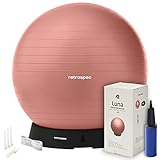
2. Retrospec Luna Exercise Ball with Pump - Anti-Burst Fitness Equipment for Yoga, Core Training & Stability - Home Gym Swiss Ball for Office & Pregnancy
Overview:
The Retrospec Luna Exercise Ball is a versatile fitness and comfort tool tailored for yoga, core training, physical therapy, and pregnancy support. With a non-slip surface and included base, it transitions seamlessly from workout gear to ergonomic seating.
What Makes It Stand Out:
Its anti-burst, gym-grade durability ensures safety during intense use, while the included base enhances stability for resistance training. The ball doubles as a pregnancy aid, offering comfortable support for expectant mothers—a thoughtful, multi-role design.
Value for Money:
Offering both fitness and therapeutic benefits at a budget-friendly price, it includes a pump and base—features some competitors charge extra for. Its dual functionality as office chair and gym equipment boosts cost-efficiency.
Strengths and Weaknesses:
Pros: Versatile use, excellent grip, sturdy base for workouts, pregnancy-friendly. Cons: Base may feel flimsy under heavy loads, inflation accuracy can be tricky, limited size guidance.
Bottom Line:
An affordable, adaptable exercise ball that excels in both fitness and comfort applications—particularly valuable for pregnant users and home gym enthusiasts.
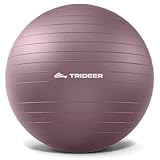
3. Trideer Exercise Ball Yoga Ball – Office Seating & Balance Ball Chair, Stability Ball for Pilates, Physical Therapy,Core Training & Balance Improvement & Stretching
Overview:
The Trideer Exercise Ball is a premium stability ball designed for yoga, Pilates, physical therapy, and office seating. With a focus on durability and eco-conscious manufacturing, it supports active sitting and full-body workouts.
What Makes It Stand Out:
Certified Climate Pledge Friendly and compliant with California Prop 65, this ball stands out for its environmental responsibility and safety. The anti-burst design ensures slow deflation, enhancing user safety during exercise or seated use.
Value for Money:
At a mid-range price, it offers high value through long-term durability, health benefits, and eco-friendly materials. Its dual role as fitness equipment and posture-improving chair maximizes utility.
Strengths and Weaknesses:
Pros: Eco-friendly, high weight capacity (330 lbs), safe anti-burst feature, excellent grip. Cons: No frame included, requires separate purchase for chair use, may mark surfaces if not protected.
Bottom Line:
A responsibly made, durable stability ball ideal for eco-conscious users seeking reliable performance in fitness and posture support.
4. Trideer Exercise Ball for Office Desk, Yoga Ball Chair to Relieve Back Pain, Stability & Fitness Ball Seat with Base, Home Gym Core Workout, Abs, Stretching & Therapy

Overview:
The Trideer Exercise Ball Chair is engineered to combat back pain and poor posture with a complete stability ball setup. Designed for office use, it includes a supportive base and a 65cm anti-burst ball ideal for users 5'3" to 5'10".
What Makes It Stand Out:
Recommended by physical therapists, it promotes active sitting to strengthen the core and improve spinal alignment. The honeycomb anti-burst structure ensures slow deflation, significantly reducing injury risk.
Value for Money:
Offering therapeutic benefits at a reasonable price, the included base and pump enhance its value. It’s a cost-effective alternative to high-end ergonomic chairs while delivering measurable health improvements.
Strengths and Weaknesses:
Pros: Therapist-recommended, stable base, hypoallergenic materials, excellent safety features. Cons: Limited height range, base may wobble on uneven floors, inflation requires patience.
Bottom Line:
A smart investment for office workers seeking posture correction and back pain relief through scientifically supported active seating.
5. Trideer Exercise Ball for Yoga, Pilates & Fitness – Stability Ball Equipment for Home Gym & Office Chair, Core & Balance Training Accessories, Physical Therapy Equipment, Quick Pump Included, 5 Sizes

Overview:
The Trideer Exercise Ball is a highly versatile stability ball available in five sizes, catering to diverse body types and fitness goals. Ideal for yoga, Pilates, physical therapy, and office seating, it emphasizes safety, grip, and sustainability.
What Makes It Stand Out:
Its frosted texture and anti-slip stripes provide superior grip, while the Climate Pledge Friendly certification highlights Trideer’s environmental commitment. The inclusion of a quick pump (hand or foot, based on size) improves user convenience.
Value for Money:
With top-tier materials, multiple sizes, and included accessories, it offers exceptional value. The long-term durability and multi-use functionality make it a cost-efficient choice for home gyms and offices.
Strengths and Weaknesses:
Pros: Five size options, excellent traction, eco-certified, high weight capacity, comes with appropriate pump. Cons: No frame included, may require surface protection, initial inflation needs time.
Bottom Line:
A premium, adaptable stability ball that delivers on safety, sustainability, and performance—perfect for fitness enthusiasts and remote workers alike.
6. Gaiam Classic Balance Ball Chair – Ergonomic Stability Chair for Desk & Office | Yoga Ball Seat with Base, Air Pump, & Exercise Guide | Improves Posture & Core Strength (300 lb Capacity)

Overview:
The Gaiam Classic Balance Ball Chair transforms traditional seating into an active sitting experience. Designed with input from chiropractic experts, it encourages micro-movements that engage core muscles, improve posture, and reduce lower back strain—ideal for office, home, or classroom use.
What Makes It Stand Out:
This chair stands out with its comprehensive package: a 52cm removable exercise ball, sturdy frame with four caster wheels (two lockable), metal support bar, air pump, and an exercise guide. Its ergonomic design promotes spinal alignment and is tailored for users between 5’ and 5'11", fitting most standard desk heights seamlessly.
Value for Money:
Priced competitively, it offers excellent value by combining a fitness tool with functional office furniture. The included accessories eliminate extra purchases, and the 300 lb weight capacity ensures durability for a wide range of users.
Strengths and Weaknesses:
Strengths: Enhances posture and core strength, easy assembly, comes with essential accessories, supports active sitting. Weaknesses: Limited height adjustability without add-ons, ball may require periodic re-inflation.
Bottom Line:
The Gaiam Classic Balance Ball Chair is a smart investment for anyone seeking improved posture, increased energy, and better ergonomics at work—highly recommended for active sitters.
7. NEUMEE Yoga Ball Chair with 65cm Exercise Ball & 2 Resistance Bands, Stability Base for Home Office, Yoga, Pilates & Fitness, Balance Ball for Posture, Core Strength & Low Impact Workouts (Grey)

Overview:
The NEUMEE Yoga Ball Chair is a versatile fitness and seating solution designed to enhance posture, core strength, and comfort during extended sitting. With a large 65cm exercise ball and a stable base, it’s ideal for home offices, yoga sessions, or low-impact workouts.
What Makes It Stand Out:
Its standout feature is the inclusion of two resistance bands, adding value for users who want to integrate strength training into their routine. The non-slip, durable base ensures safety during dynamic movement, and the chair doubles as both a desk seat and fitness equipment.
Value for Money:
Offering a full workout setup in one package, it delivers strong value. The added resistance bands elevate it beyond basic ball chairs, making it a multifunctional tool for fitness and ergonomics.
Strengths and Weaknesses:
Strengths: Includes resistance bands, stable base, lightweight (1kg), portable, supports various exercises. Weaknesses: No wheels for mobility, ball inflation pump not included, may feel too tall for shorter users.
Bottom Line:
The NEUMEE Yoga Ball Chair excels as a dual-purpose fitness and ergonomic seat—ideal for active individuals seeking comfort and versatility in one sleek, modern design.
8. Gaiam Balance Ball Chair Stool, Half-Dome Stability Ball Adjustable Tall Office Sit Stand Swivel Desk Chair Drafting Stool with Round Foot Rest for Standing Desks Home or Office - Black 33

Overview:
The Gaiam Balance Ball Chair Stool is an innovative hybrid between a stability ball and a drafting stool, designed for use with standing desks or higher workstations. It features a half-dome inflatable cushion that promotes active sitting and core engagement.
What Makes It Stand Out:
Its adjustable hydraulic lift extends up to 33 inches, making it perfect for standing desks. The 360-degree swivel base and five lockable caster wheels enhance mobility and accessibility, while the included footrest supports comfort during prolonged use.
Value for Money:
While priced slightly higher than basic ball chairs, its versatility with standing desks and active seating benefits justify the cost. It’s a durable, well-designed option for dynamic workspaces.
Strengths and Weaknesses:
Strengths: Height adjustable, swivels 360°, includes footrest and air pump, works with standing desks. Weaknesses: Half-dome offers less bounce than full ball chairs, assembly required, air pump not high-powered.
Bottom Line:
This stool is an excellent ergonomic upgrade for standing desk users who want active seating—offering flexibility, comfort, and core engagement in one modern, functional design.
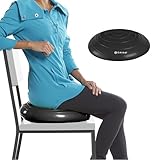
9. Gaiam Balance Disc Wobble Cushion Stability Core Trainer For Home Or Office Desk Chair and Kids Alternative Classroom Sensory Wiggle Seat - Black
Overview:
The Gaiam Balance Disc is a compact, inflatable wobble cushion designed to transform any chair into an active seating solution. Measuring 16 inches in diameter, it promotes subtle movement to improve posture, focus, and core strength.
What Makes It Stand Out:
Its versatility is unmatched—it functions as a desk seat, meditation cushion, sensory tool for kids, and even a therapy aid. The disc creates instability that engages core muscles, making it ideal for office workers, students, and children with ADHD.
Value for Money:
Affordable and multifunctional, it offers exceptional value. It requires no assembly, comes partially inflated, and includes an inflation needle—perfect for quick setup and portability.
Strengths and Weaknesses:
Strengths: Portable, multi-use (office, classroom, therapy), helps kids focus, doubles as a meditation cushion. Weaknesses: No air pump included, may deflate over time, less support than full chairs.
Bottom Line:
The Gaiam Balance Disc is a cost-effective, adaptable tool for improving posture and concentration—highly recommended for educators, remote workers, and parents seeking sensory seating solutions.
10. Champion Sports Exercise Ball Chair: FitPro Balance Ball Chair with Wheels and Back Support for Home or Office Use - Includes Hand Pump - Black

Overview:
The Champion Sports Exercise Ball Chair combines the benefits of a stability ball with the structure of a traditional desk chair. Featuring a supportive backrest and rolling base, it offers a healthier alternative to static seating for home or office environments.
What Makes It Stand Out:
Unlike many ball chairs, this model includes a sculpted back section for spinal support—rare in this category. The durable plastic frame and lockable wheels ensure stability and mobility, while the included hand pump simplifies inflation.
Value for Money:
It delivers solid value with its robust build, ergonomic back support, and included accessories. Its design addresses common complaints about balance chairs lacking lumbar support.
Strengths and Weaknesses:
Strengths: Includes back support, sturdy frame, comes with hand pump, easy to assemble and move. Weaknesses: Backrest may limit full range of motion, heavier than other models, ball size not adjustable.
Bottom Line:
The Champion Sports Exercise Ball Chair is a well-rounded choice for those wanting postural support and core engagement—ideal for users transitioning from traditional chairs to active seating.
Why Posture Matters in the Modern Office
The Hidden Cost of Poor Posture
Slouching may seem harmless, but over time, it takes a toll on your musculoskeletal system. Rounded shoulders, forward head posture, and a collapsed lumbar curve can lead to chronic neck and back pain, reduced lung capacity, and even digestive issues. When you maintain poor posture, your body compensates by overworking certain muscles while underusing others, creating imbalances that can take months or years to correct.
In an office setting, where sitting dominates the workday, these postural distortions develop slowly—often unnoticed until discomfort becomes pain. The traditional office chair, with its padded seat and backrest, may feel comfortable initially, but its static nature encourages passivity. Your core muscles disengage, your glutes go dormant, and your spine loses its natural S-curve.
How Dynamic Sitting Transforms Spinal Health
Unlike conventional seating, balance ball office chairs promote dynamic sitting—the concept of remaining in slight motion while seated. This micro-movement stimulates the deep stabilizing muscles of the core, pelvis, and lower back, helping maintain the spine’s natural alignment. Research shows that dynamic sitting increases muscle activation by up to 30% compared to static seating, reducing fatigue and enhancing posture over time.
By engaging your neuromuscular system continuously, these chairs train your body to sit correctly without conscious effort. Over weeks and months, this leads to improved muscle memory, better balance, and reduced strain on the spine. For professionals who spend 8+ hours at a desk, this shift from passive to active sitting can be transformative.
Anatomy of a Balance Ball Office Chair
Core Design Principles
Balance ball office chairs are not just exercise balls on a frame—they are engineered systems designed for stability, comfort, and long-term use. At their core is a durable, anti-burst stability ball made from high-grade PVC or burst-resistant materials. This ball is mounted within a rigid frame that provides height adjustability, base stability, and, in some models, back support.
The key to an effective design lies in the balance between freedom of movement and structural safety. Too rigid, and the chair loses its dynamic benefits; too loose, and it becomes unstable or unsafe. The best models strike this equilibrium, allowing controlled bounce and tilt while preventing tipping or over-rotation.
Frame Materials and Stability
The frame is the backbone of any balance ball office chair. Most high-end models use powder-coated steel or aircraft-grade aluminum for durability and resistance to corrosion. The base typically features a five-point star design with wide-spreading legs to maximize stability. Larger bases (28 inches or more in diameter) offer greater resistance to tipping, especially during active sitting or sudden movements.
Look for chairs with non-slip rubber feet or floor protectors—especially important on hardwood or tile surfaces. These materials enhance grip and reduce the risk of chair migration during use.
Seat Height and Adjustability
Adjustable seat height is essential for ergonomic alignment. When properly adjusted, your feet should rest flat on the floor with your knees at or slightly below hip level, forming a 90- to 110-degree angle. Most balance ball office chairs offer pneumatic or manual height adjustment via a threaded rod or lever system.
High-quality models allow for fine-tuned adjustments in 1-inch increments, ensuring precise alignment regardless of desk height or user stature. Chairs without adjustable height limit their usability and can lead to improper posture, negating the very benefits they’re designed to provide.
The Ergonomic Science Behind Balance Ball Chairs
Muscle Activation and Core Engagement
One of the most compelling benefits of balance ball office chairs is their ability to activate core musculature continuously. The slight instability of the ball forces your transverse abdominis, obliques, and erector spinae to work constantly to maintain balance. This low-level isometric workout strengthens postural muscles over time, improving spinal support and reducing the risk of injury.
Unlike traditional chairs that allow core muscles to “shut off,” balance ball chairs keep these critical stabilizers engaged. This engagement not only improves posture but also enhances overall physical endurance during long work sessions.
Spinal Alignment and Pelvic Tilt
The pelvis is the foundation of spinal posture. When seated on a flat surface, the pelvis often tilts posteriorly (tucks under), flattening the lumbar curve and leading to slouching. A stability ball, due to its rounded shape, encourages a neutral pelvic tilt—keeping the natural inward curve of the lower back intact.
This alignment reduces disc pressure, prevents nerve compression, and distributes weight more evenly across the spine. Over time, users report less lower back stiffness and improved comfort, especially during extended sitting periods.
Circulation and Metabolic Benefits
Sitting for prolonged periods restricts blood flow, particularly in the lower limbs, increasing the risk of deep vein thrombosis and metabolic slowdown. The subtle rocking and bouncing motions facilitated by balance ball chairs promote venous return and muscle pump activity, improving circulation.
Additionally, the increased muscle activity raises caloric expenditure. While not a substitute for exercise, dynamic sitting can burn 50–100 more calories per day than passive sitting—adding up over time.
Key Features to Evaluate Before Buying
Stability and Weight Capacity
Not all balance ball chairs are built for heavy-duty use. Check the manufacturer’s specified weight capacity—ideally, it should support at least 300 pounds for adult users. Higher-end models may support up to 500 pounds, using reinforced frames and thicker ball materials.
Stability isn’t just about weight; it’s also about movement control. Look for chairs with anti-wobble joints, secure ball clamps, and wide bases. Testimonials often highlight chairs that “feel solid” even during active sitting or sudden shifts.
Ball Material and Burst Resistance
The stability ball is the heart of the system. Opt for chairs with anti-burst, slow-deflation technology. These balls are made from multilayer PVC or TPE (thermoplastic elastomer) and are designed to deflate slowly if punctured—preventing sudden falls.
Some premium models use medical-grade or fitness-rated balls, which are tested for durability and resistance to UV degradation and temperature changes. Avoid generic or unbranded balls, as they may degrade faster and lack safety certifications.
Back Support Options
While the primary goal of a balance ball chair is to promote core engagement, some users benefit from optional back support—especially during transition periods or for those with pre-existing back conditions. Look for models with detachable lumbar supports or adjustable backrests that can be added or removed as needed.
Note: Permanent backrests can reduce the dynamic benefits of the chair by encouraging passive sitting. The best designs offer flexibility—support when needed, freedom when desired.
Portability and Assembly
Balance ball office chairs vary widely in portability. Some are lightweight and easy to move, while others are heavy-duty and designed for stationary use. Consider your workspace needs: do you need to reposition the chair frequently? Is storage a concern?
Most models require minimal assembly—typically attaching the ball to the frame and adjusting the height. Look for tools-free assembly or included tool kits for convenience.
Who Should Use a Balance Ball Office Chair?
Ideal Users and Use Cases
Balance ball office chairs are ideal for professionals seeking to improve posture, reduce back pain, or increase movement during sedentary work. They’re particularly beneficial for:
- Remote workers with home offices
- Coders, writers, and designers who sit for extended periods
- Individuals recovering from mild back injuries (with doctor approval)
- Fitness enthusiasts looking to integrate movement into their day
They’re also excellent for intermittent use—pairing with a standing desk or traditional chair to create a dynamic workspace.
Who Should Approach with Caution
While highly beneficial for many, balance ball chairs aren’t suitable for everyone. Individuals with:
- Severe balance disorders
- Advanced spinal conditions (e.g., spinal stenosis, spondylolisthesis)
- Recent surgeries or injuries affecting the core or lower body
should consult a healthcare provider before use. Additionally, those with limited mobility may find the mounting and dismounting process challenging.
Transitioning to a Balance Ball Chair: Best Practices
Gradual Adaptation Strategy
Switching to a balance ball chair should be a gradual process. Start with 20–30 minutes per day and gradually increase as your core strength and balance improve. Sudden full-day use can lead to fatigue, soreness, or even muscle strain.
Use a timer or app to remind yourself to shift positions, stand, or stretch. Pair the chair with regular movement breaks—every 30 to 60 minutes—to maximize benefits.
Pairing with Other Ergonomic Tools
For optimal results, integrate your balance ball chair into a broader ergonomic strategy:
- Use an adjustable-height desk to alternate between sitting and standing
- Position monitors at eye level to prevent neck strain
- Use an ergonomic keyboard and mouse to reduce wrist pressure
- Add a footrest if your feet don’t reach the floor comfortably
This holistic approach ensures that every aspect of your workspace supports healthy posture and movement.
Maintenance and Longevity Tips
Cleaning and Care
Regular cleaning extends the life of both the ball and frame. Wipe the ball with a damp cloth and mild soap—avoid harsh chemicals that can degrade PVC. Dry thoroughly to prevent mold or slipping.
Clean the frame with a microfiber cloth and metal-safe cleaner. Check joints and screws periodically for tightness, especially if the chair feels wobbly.
Replacing the Ball
Even high-quality stability balls degrade over time. Signs it’s time to replace the ball include:
- Loss of firmness despite inflation
- Visible cracks or surface dulling
- Changes in bounce or responsiveness
Most manufacturers recommend replacing the ball every 12–18 months with daily use. Keep a spare on hand to avoid disruption.
Future Trends in Balance Ball Office Chairs (2026 and Beyond)
Smart Integration and Biometrics
By 2026, top-tier balance ball chairs are incorporating smart technology. Integrated sensors track sitting posture, movement frequency, and core engagement, syncing data with mobile apps to provide real-time feedback. Some models even vibrate gently when slouching is detected.
These “smart ergonomics” systems help users build better habits and provide insights into long-term posture trends.
Sustainable Materials and Modular Design
Eco-conscious design is on the rise. Expect to see more chairs made with recycled steel, bioplastics, and non-toxic coatings. Modular designs allow users to replace individual components—like the ball or base—rather than the entire chair, reducing waste and cost.
Customization and AI-Driven Adjustments
Emerging models use AI to learn user preferences and automatically adjust height, resistance, or support levels based on posture patterns and usage duration. This personalized approach ensures optimal ergonomics for every individual, regardless of body type or work style.
Frequently Asked Questions
Can a balance ball office chair really improve my posture?
Yes—by promoting dynamic sitting and core engagement, balance ball chairs help train your body to maintain a neutral spine and prevent slouching over time.
How long should I sit on a balance ball chair each day?
Start with 20–30 minutes and gradually increase. Most users work up to 2–4 hours per day, alternating with standing or traditional seating.
Do balance ball chairs help with back pain?
Many users report reduced lower back pain due to improved spinal alignment and stronger core muscles. However, results vary—those with chronic conditions should consult a professional.
Are balance ball chairs safe?
Yes, when used properly and with a stable, high-quality frame. Look for anti-burst balls and wide bases to minimize risks.
Can I use a balance ball chair if I’m tall or heavy?
Yes—many models support users up to 6’6” and 300+ pounds. Check weight and height limits before purchasing.
Do I need back support with a balance ball chair?
Not necessarily. The chair is designed to strengthen your back muscles naturally. However, optional backrests can help during the adjustment period.
How do I clean and maintain my balance ball chair?
Wipe the ball with mild soap and water. Clean the frame with a dry or slightly damp cloth. Check screws and joints monthly.
Can I use a balance ball chair with a standing desk?
Absolutely. Use it during seated intervals to create a balanced, movement-rich work routine.
Are balance ball chairs suitable for gaming or long work sessions?
Yes—many gamers and remote workers use them to stay alert and reduce fatigue. Just remember to take breaks and stretch.
Will I burn more calories using a balance ball chair?
Yes—studies show an increase of 50–100 calories per day due to continuous muscle engagement, even at rest.
See Also
- The 10 Ultimate Balance Ball Office Chairs for Core Strength in 2026
- 10 Office Chairs That Solve Posture Problems in 2026
- The 10 Ultimate Best Balance Ball Office Chairs for Active Sitting in 2026
- 10 Balance Ball Chairs That Solve Core Weakness in 2026
- 10 Drafting Office Chairs That Solve Leg Cramping in 2026